
Bentley Refuses to Let Cancer Win. Now His Family Needs a Village Behind Him.
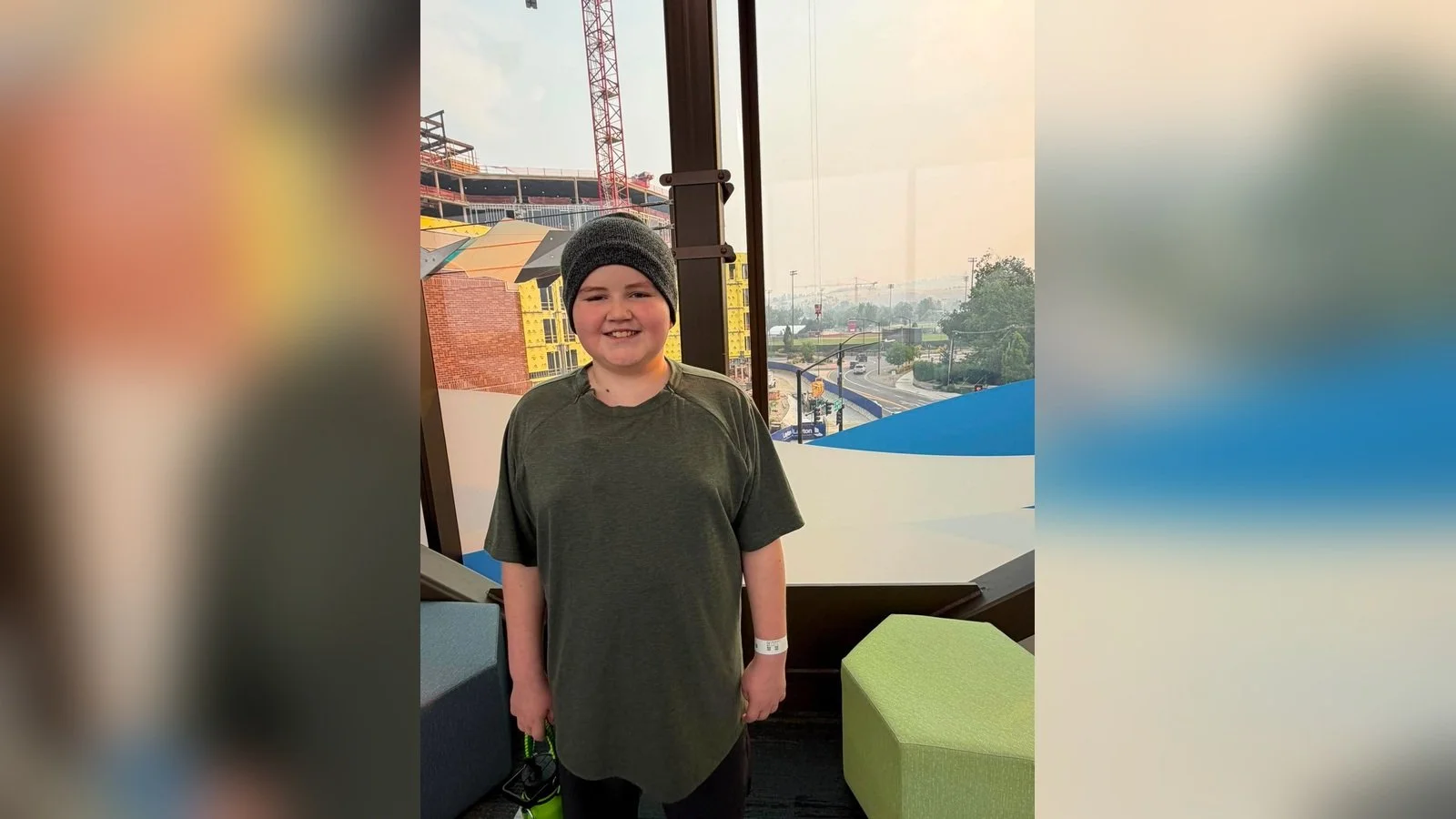
At 10 years old, Bentley should be worrying about video games, recess and whether he gets to go to the school carnival. Instead, he has spent his summer learning how to walk again, enduring chemotherapy and preparing for another brain surgery. Through all of it, he has given his family one rule: they are not going to let cancer win.
Before you know about the tumor, you should know about Bentley.
He loves video games. Pretty much all of them.
He knows the newest trends, the popular YouTubers and can disappear into reels and shorts with the best of us. He loves horror. He loves being outside. Going to the park with his brothers and the skate park with his cousin are among his favorite things.
He can be shy when you first meet him, but give him a little time and good luck getting him to stop talking.
His dad describes him as smart, sarcastic, energetic and always nearby whenever there is laughter to be had.
His mom calls him outgoing, outspoken and determined.
“When he wants something, he sets his mind to it and achieves it.”
That determination would become far more important than anyone in Bentley's family could have imagined.
Because this summer, the things Bentley set his mind to weren't beating another level in a video game or keeping up with his brothers.
They were walking to the bathroom.
Getting dressed.
Feeding himself.
Taking a shower.
And, eventually, beating cancer.
The Morning Everything Changed
There had been signs that something wasn't right.
Bentley was experiencing migraines and constant vomiting. He struggled to keep food down. Then he developed a limp.
His parents were concerned, but there were explanations that seemed far more likely than what was actually happening. Chronic migraines. A stomach illness. Maybe he had fallen while playing and hurt his leg.
Then one morning, Bentley lost feeling on his right side.
His mom called 911.
He was transported to St. Luke's in downtown Boise, and suddenly a family's ordinary worries became something else entirely.
While sitting in the emergency room waiting for the doctor, Bentley's mom received a MyChart notification.
His MRI results were available.
She opened them.
The words “large mass” appeared in the report describing her son's brain.
Her heart sank.
For Bentley's mom, those words carried another trauma with them. She had been just 10 years old herself when her father died from a brain tumor.
Now her own 10-year-old son was lying in a hospital room.
“I felt flooded with so many emotions, questions, concerns,” she remembers. “I truly couldn't think straight and just had to put a brave face on, as I knew if this was hard on me, it was going to be 10 times harder for my son.”
Bentley's dad was at work when the call came.
He remembers the information arriving so quickly that the entire experience felt almost unreal.
Then doctors told them Bentley had a growth in his brain.
Dad was scared.
But what frightened him most wasn't his own fear.
It was Bentley's.
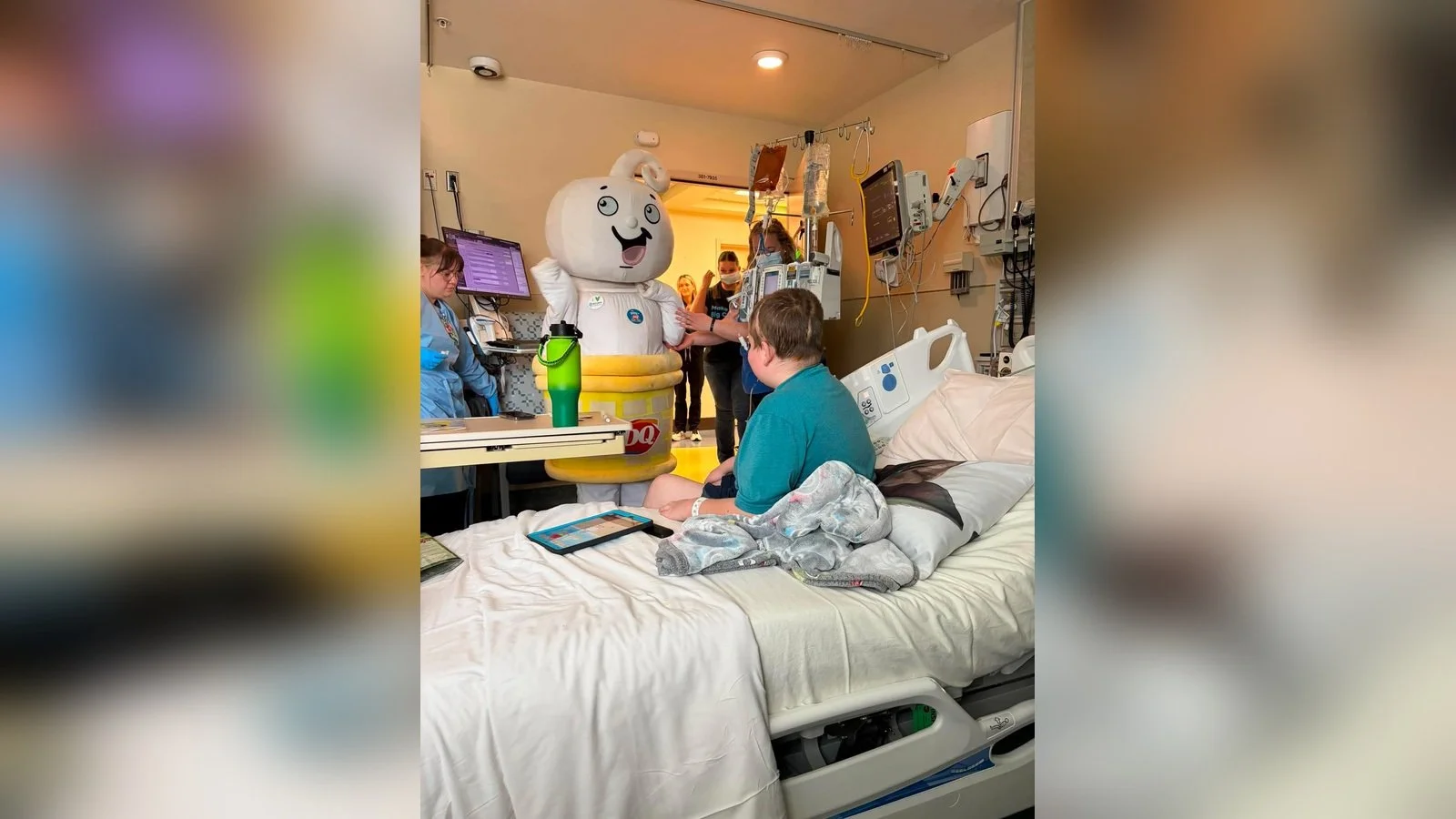
“I'm Afraid I Won't Wake Up.”
Bentley had never been hospitalized before.
And now adults were talking about brain surgery.
He was terrified of being put under anesthesia.
The night before the operation and again the following morning, Bentley told his parents he was afraid he wouldn't wake up. At one point, his mom says he begged his doctor not to make him have the surgery.
There are moments in parenthood when you're supposed to have an answer.
This wasn't one of them.
“How do you reassure your baby that he will be OK and that all will be well,” his mom wondered, “when there is a very big chance that may not be true?”
All they could do was be there.
Tell him he was loved.
Tell him he was allowed to be afraid.
And then watch as their son was taken into an operating room.
Bentley's final diagnosis would eventually come back as a ZFTA fusion-positive ependymoma, CNS WHO grade 3, located in the left parietal/occipital region of his brain. His family says doctors believe his best chance is removing as much of the tumor as safely possible.
His first surgery came almost immediately—just two days after the emergency that brought him to the hospital.
It lasted approximately 12 hours.
The tumor was extremely vascular, making the operation dangerously bloody. According to Bentley's mom, he required four blood transfusions and two FFP transfusions before surgeons ultimately determined it was too dangerous to continue.
They had to stop.
Bentley remained sedated for nearly two days afterward, allowing the swelling in his brain to decrease and his body to rest.
For his parents, those hours were agonizing.
Every hour, the operating room called with an update.
Every time the phone rang, his mom's heart dropped.
Then came another terrifying uncertainty.
Would Bentley still be able to move the right side of his body?
As his sedation was lowered, his parents waited for him to respond.
It took time.
Then Bentley squeezed his mom's hand.
She describes the relief as almost impossible to explain.
After 12 hours of surgery and hours beside a sedated child in the PICU, that tiny squeeze was everything.
Starting Over With Things Most of Us Never Think About
Coming out of surgery wasn't the end.
In many ways, it was the beginning.
Bentley's muscles were rigid. Walking just a few steps to the bathroom could exhaust him.
He had to rebuild strength and coordination and relearn pieces of independence most of us never stop to think about.
Eating.
Getting dressed.
Using the bathroom.
Showering.
Walking.
His dad took time away from work to help care for him because there were things Bentley simply felt safer doing with Dad beside him.
There were days Bentley didn't want to get out of bed because he knew how hard walking was going to be.
Then something changed.
His physical therapy team kept pushing him to set goals. Bentley kept working.
And one day, Bentley told his mom something.
He wasn't going to let cancer win.
So he walked farther.
He did his exercises.
He worked through physical therapy and occupational therapy.
Little by little, the things cancer had taken from him started coming back.
Today, many of those daily tasks are close to normal again.
That can sometimes make what Bentley is going through almost deceptive.
His dad will look at him laughing, walking around or trying to return to normal life and, for a second, think his son is fine.
But he's not.
His body is still fighting every day.
“He was walking days after his surgery because he didn't want to be constrained and wanted to feel normal,” his dad says.
To Dad, that is Bentley in a nutshell.
Tough.
Stubborn.
And, in his words, “super badass.”
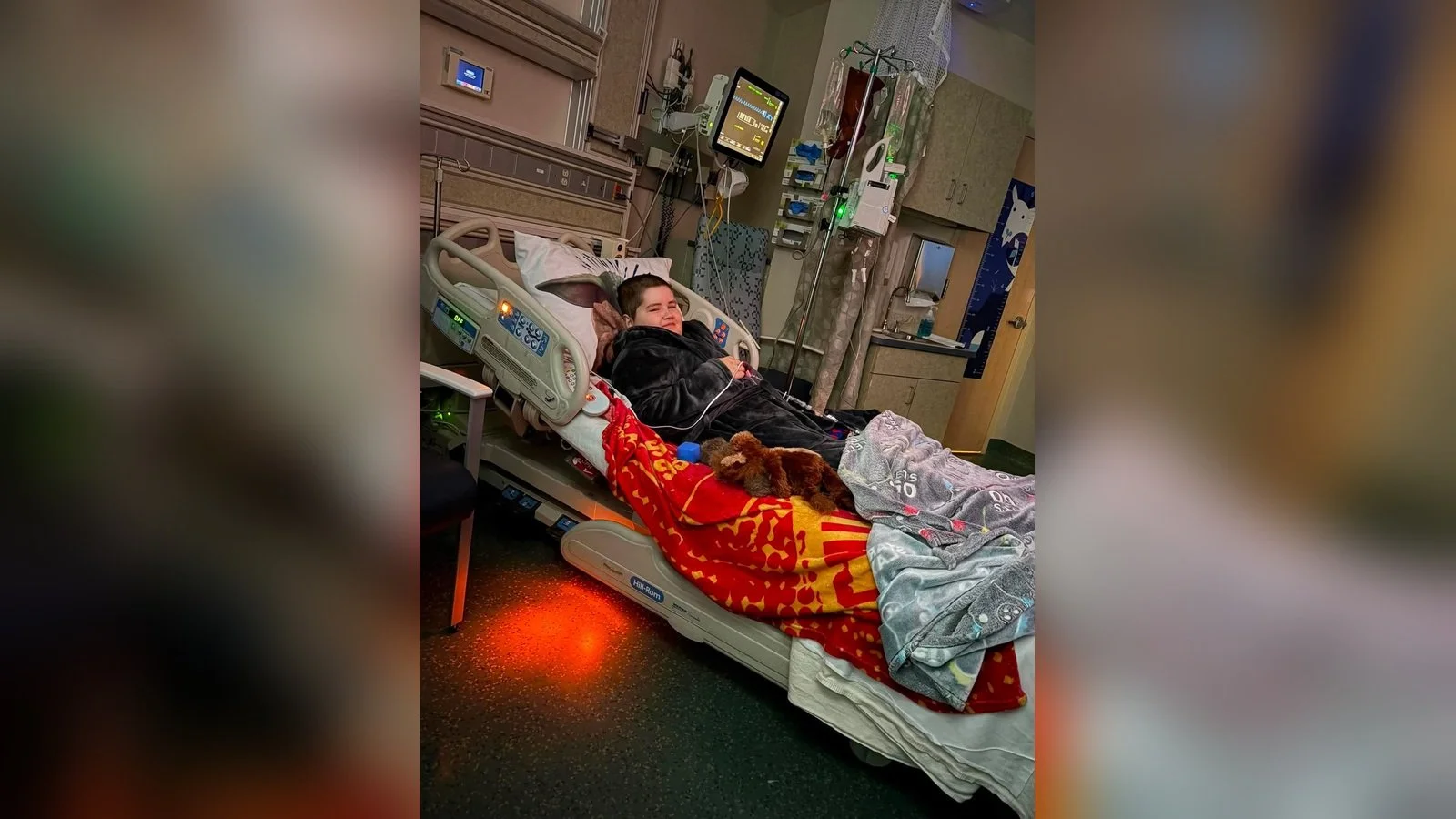
The Summer a 10-Year-Old Didn't Get to Have
There is another part of childhood cancer that doesn't show up on an MRI.
It is everything a kid quietly loses along the way.
Bentley lost his summer.
While other kids were swimming, going to parks and spending afternoons with friends, Bentley was recovering in the hospital, receiving chemotherapy and staying inside because getting sick posed another risk.
No swimming.
No trampoline.
No trips to Roaring Springs.
No rides at the fair.
On the Fourth of July, even the fireworks were too loud for him, so Bentley watched them from inside.
Now school has started again, but normal still hasn't completely returned.
Bentley can go to class, but recess isn't the same. He can't participate normally in PE.
And his school carnival?
It's four days after his next scheduled surgery.
He's devastated that he'll miss it.
From the outside, some of these things might sound small.
To a 10-year-old, they aren't small at all.
They're childhood.
And his parents feel every one of those losses with him.
“He Got Brave.”
There have been plenty of reasons for Bentley to be angry.
Instead, his mom says he keeps looking for reasons to laugh.
Even during chemotherapy.
Even during long hospital stays.
Even after frightening news.
The little boy who once begged doctors not to operate because he was terrified he might never wake up began changing in front of his family.
Their youngest child found the perfect words for it.
Bentley “got brave.”
Not because the fear disappeared.
But because Bentley kept going while he was afraid.
“Throughout all of this, I think the most important thing Bentley has taught me is that we can't let cancer win or take over our life,” his mom says. “We have to find the positives and happiness even in the darkest moment.”
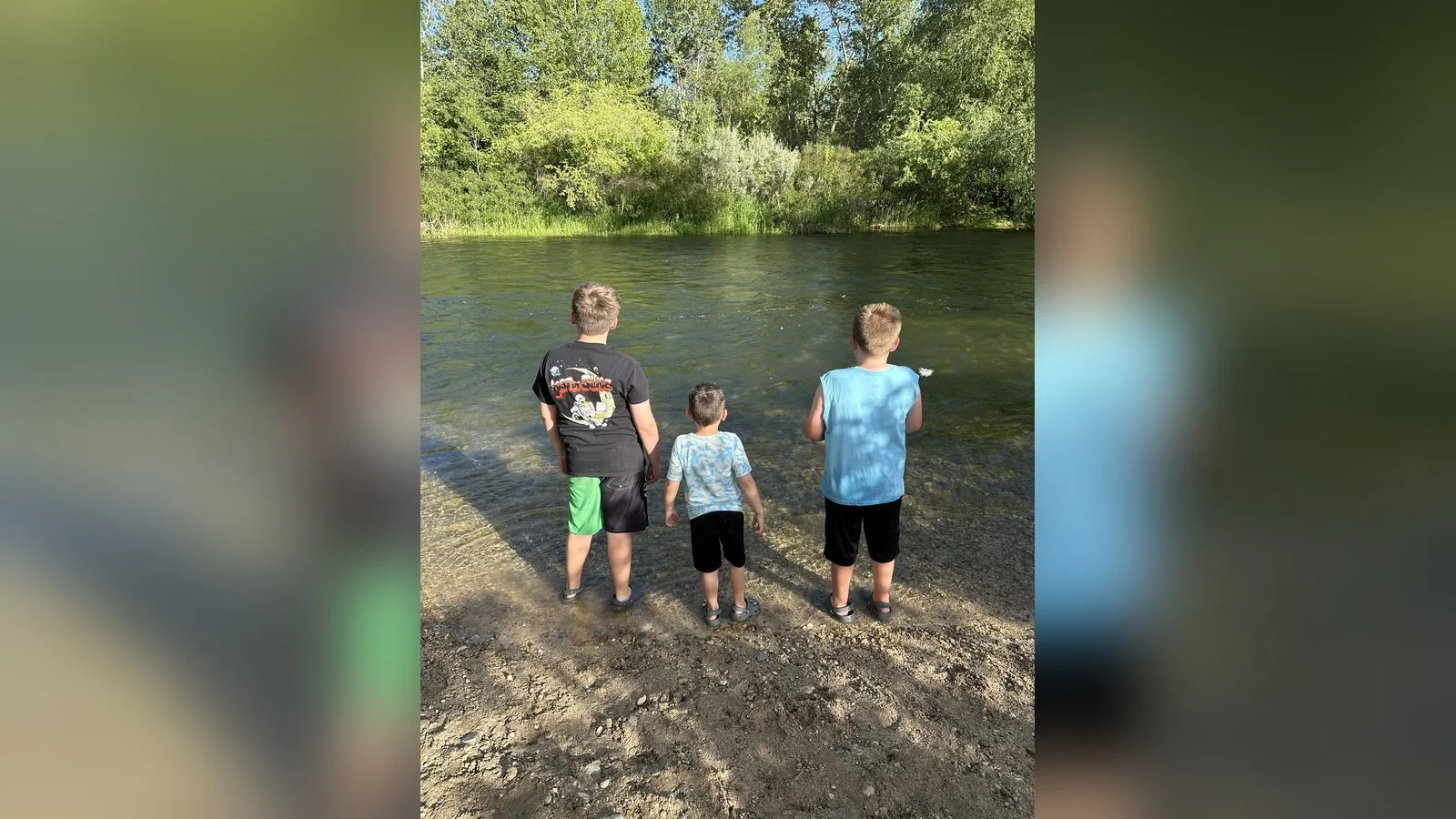
His brothers seem to understand that in their own way.
Dad says they don't look at Bentley and see “a kid with cancer.”
They see their brother.
The same brother they fight with.
The same brother they annoy.
The same brother they laugh with.
Maybe there is something beautiful in that.
Cancer has changed nearly everything around Bentley.
His brothers are refusing to let it change who Bentley is.
Another Surgery Is Coming
The family's journey is far from over.
After surgeons were unable to safely remove the entire tumor during Bentley's first operation, his medical team waited for final pathology and consulted on the complicated case, including review through a Salt Lake tumor board.
Bentley then went through two rounds of chemotherapy.
His next surgery is scheduled for September 14, when doctors hope to remove the remaining tumor—or as much of it as safely possible.
His family hopes the chemotherapy has helped make the tumor more stable.
But, as his mom puts it, they won't truly know until Bentley's surgeon is back in the operating room.
Then, on September 28, the family is scheduled to travel to Salt Lake to begin proton radiation treatment, which his family says is the preferred approach for Bentley's specific ependymoma diagnosis and long-term treatment plan.
And once again, Bentley's parents will have to do something no parent should become accustomed to doing:
Hand their child over to a surgical team.
Wait.
Watch the phone.
And hope.
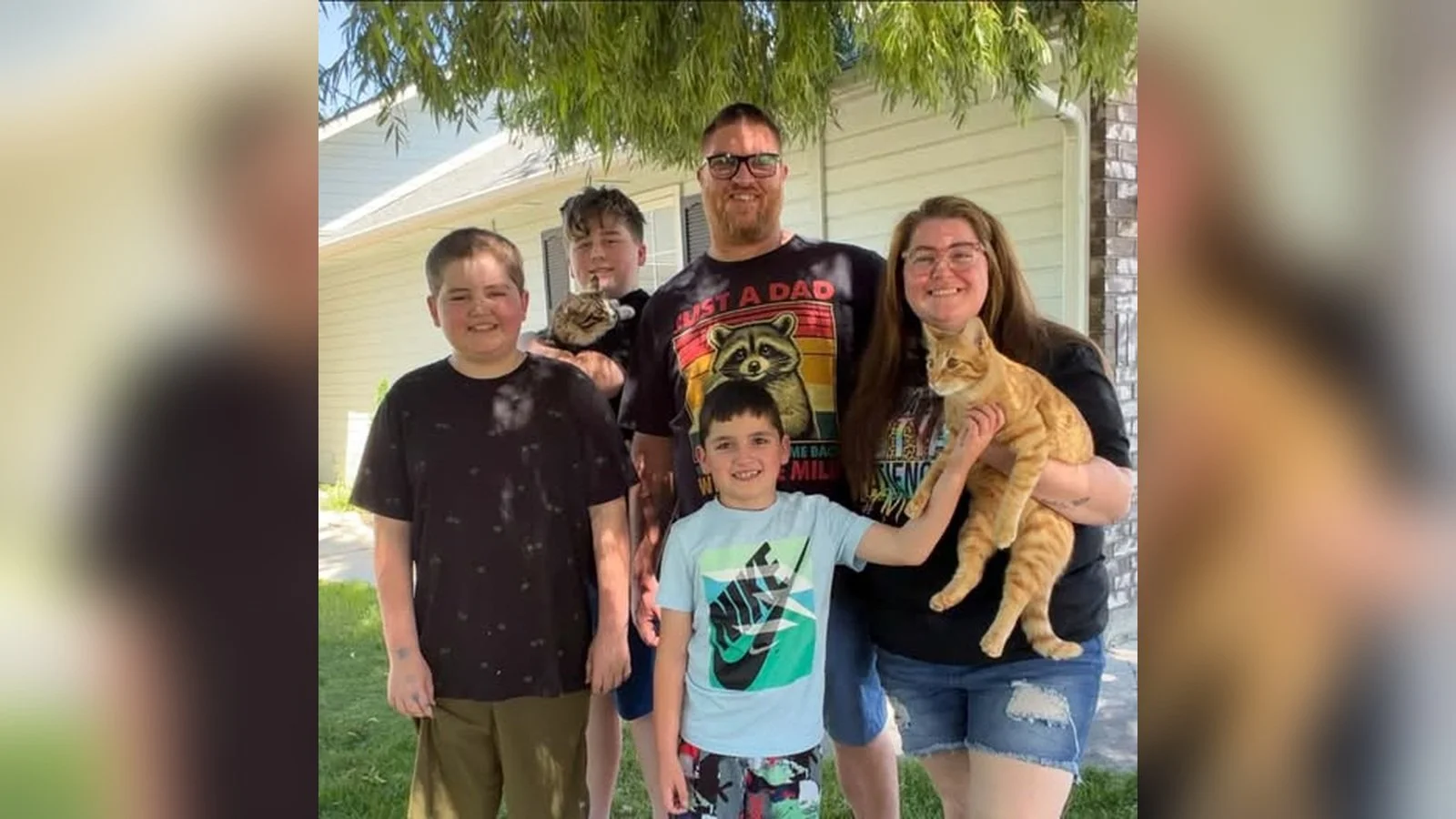
A Family Who Never Expected to Need a Village
Bentley's family describes their circle before all of this as small.
Not many close friends.
Not a huge extended support system.
Then Bentley got sick.
And people started showing up.
Some donated.
Some shared his story.
Some offered practical help.
Others simply sent a message saying, If you need to cry, vent or talk, I'm here.
For Bentley's mom, those messages have mattered more than the people sending them may ever realize.
“It’s such a cliché, the whole ‘it takes a village,’” she says. “But I will say, just since this all started in June our village has grown.”
They never wanted to need that village.
They certainly never expected to ask strangers for help.
But cancer doesn't ask a family whether the timing works.
Medical treatment doesn't stop the mortgage.
Brain surgery doesn't pause the car payment.
Hospital stays don't replace a paycheck when Mom or Dad needs to be beside their frightened child.
Treatment doesn't eliminate the cost of traveling to another state.
The family's GoFundMe was created to help with medical and therapy expenses and the everyday financial strain that comes when parents have to miss work to care for their child.
For Bentley's mom, though, financial help means something even more fundamental.
It means being allowed to be Bentley's mom.
It means sitting beside him when he is scared instead of wondering what bill isn't going to get paid.
It means traveling for treatment without wondering what falls behind at home.
It means focusing on the little boy fighting something unimaginably big.
“Having people behind us gives us something we desperately need right now: the ability to focus on our son instead of constantly worrying about how we're going to make it through the next week.”
And there are ways to become part of Bentley's village even if donating isn't possible.
Share his story.
Send the family some encouragement.
Keep Bentley in your thoughts or prayers.
Help another person learn his name.
Because Bentley isn't a diagnosis.
He's a sarcastic 10-year-old horror fan who loves video games, his brothers, the skate park and making people laugh.
He's a kid who should have spent his summer swimming and playing with his friends.
Instead, he spent it learning to walk again.
And when cancer tried to take even more from him, Bentley made a decision:
He wasn't going to let cancer win.
Now, as another brain surgery approaches, his family is asking their community to stand behind him while he keeps that promise.
How You Can Help Bentley
Bentley's GoFundMe is raising
