
When Childhood Changes Overnight: Brynn’s Leukemia Journey
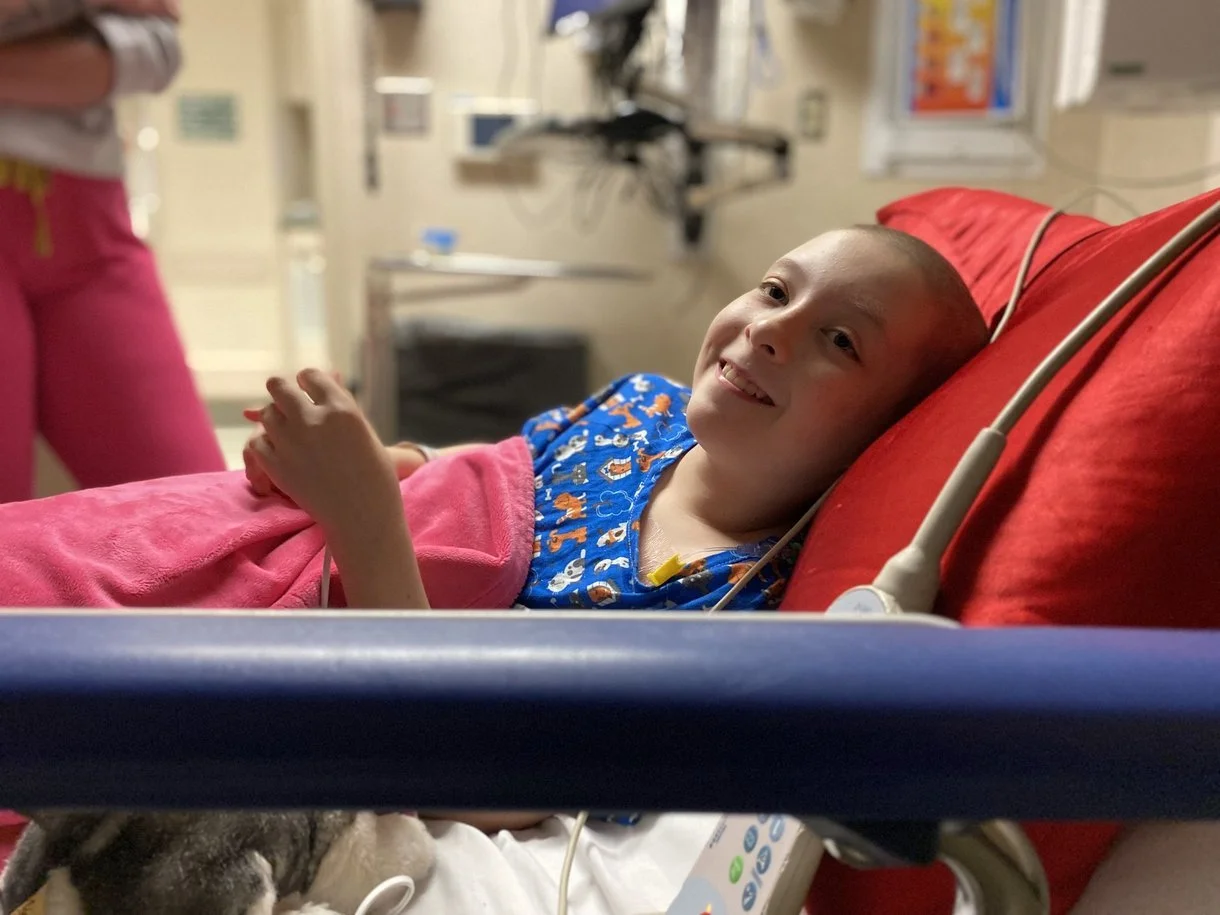
The Good Network is sharing Brynn’s story to raise awareness about childhood leukemia and the challenges families face during treatment. The GoFundMe linked in this story is organized independently to support Brynn’s family. Donations made through that fundraiser go directly to the family and are not tax-deductible contributions through The Good Network.
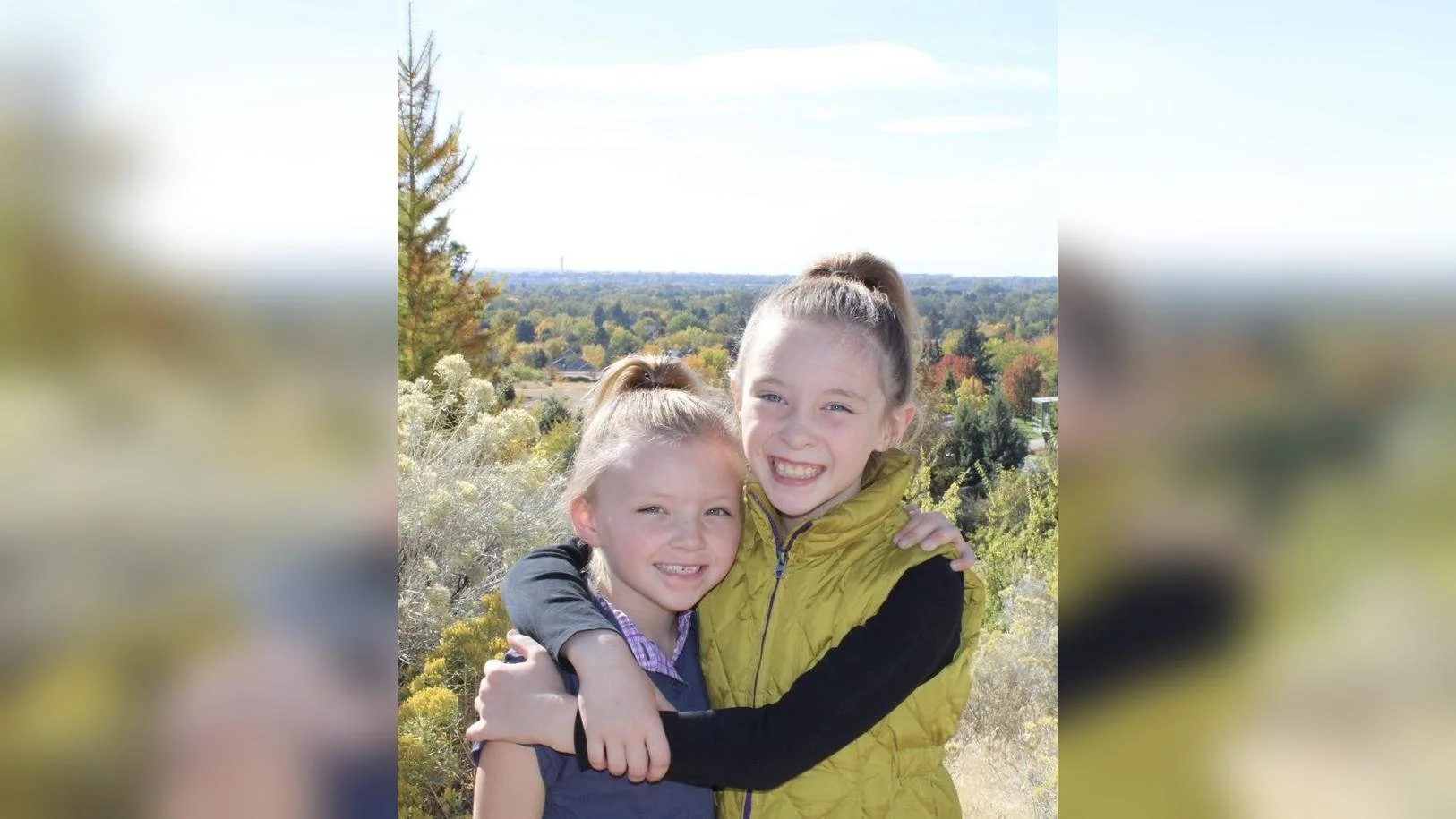
Before cancer, life looked like it does for so many families.
Two little girls riding bikes around the neighborhood, playing sports, camping in the summer, and grabbing ice cream after practice. Brynn loved her school running club, Girls on the Run, while her younger sister Cailyn was busy with gymnastics. Their days were filled with the ordinary moments that make up childhood.
Then in December of 2023, everything changed.
Just before her birthday, Brynn came down with the flu. At least that’s what everyone thought. But the illness wouldn’t go away. After several urgent care visits, Brynn’s dad insisted they run bloodwork. He refused to leave until they did.
Later that afternoon the phone rang.
“Your daughter has leukemia. You need to get to the emergency room right away.”
Within minutes, their normal life disappeared.
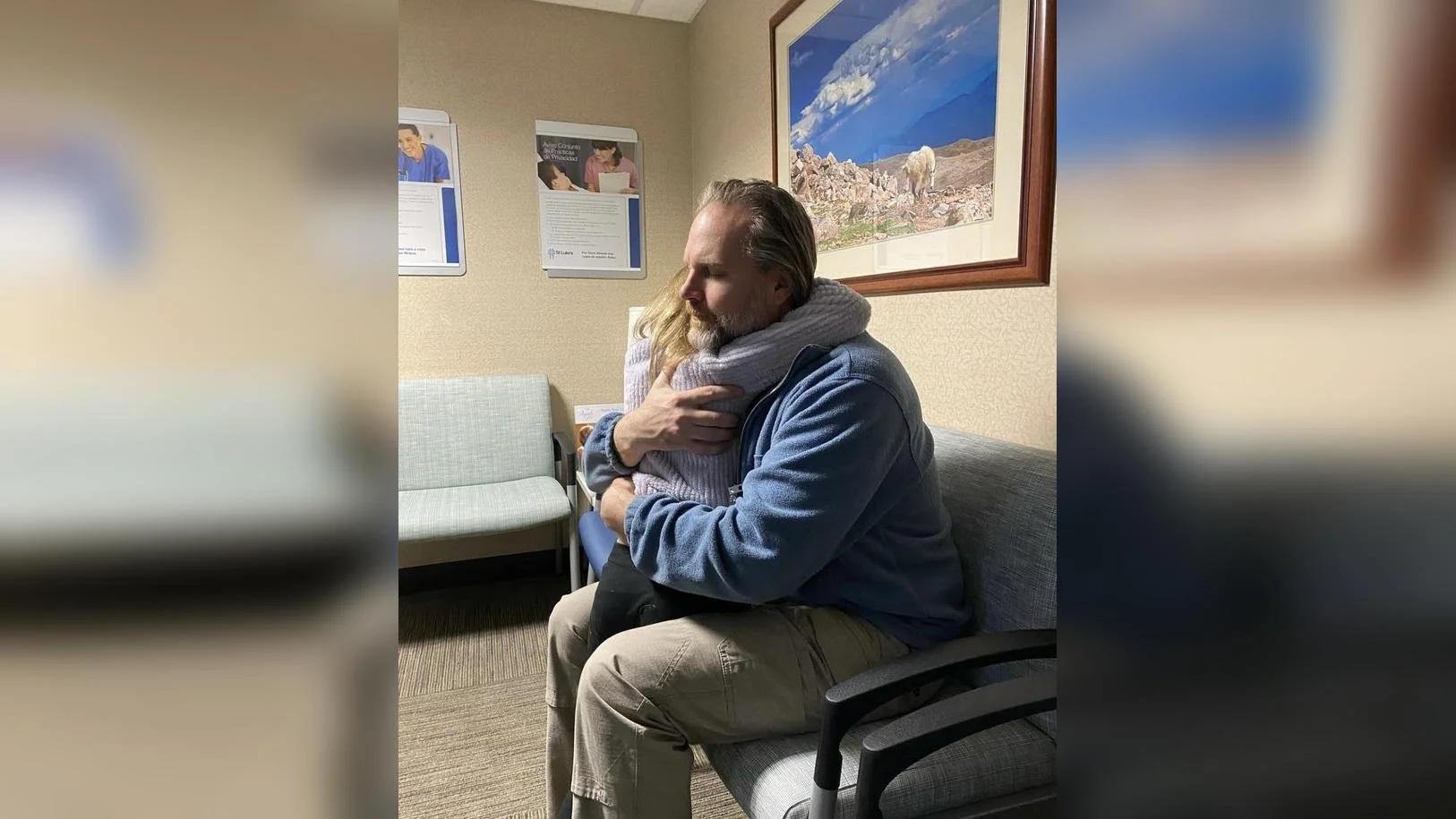
At the hospital they met the pediatric oncology team and received the diagnosis: B-Cell Acute Lymphoblastic Leukemia (ALL) the most common form of childhood cancer. Leukemia is a cancer of the blood and bone marrow, and in children ALL accounts for roughly 75% of leukemia cases. The encouraging news is that modern treatments have dramatically improved outcomes, with survival rates around 90 percent. But survival doesn’t mean the journey is easy.
For Brynn, treatment would last about two and a half years.
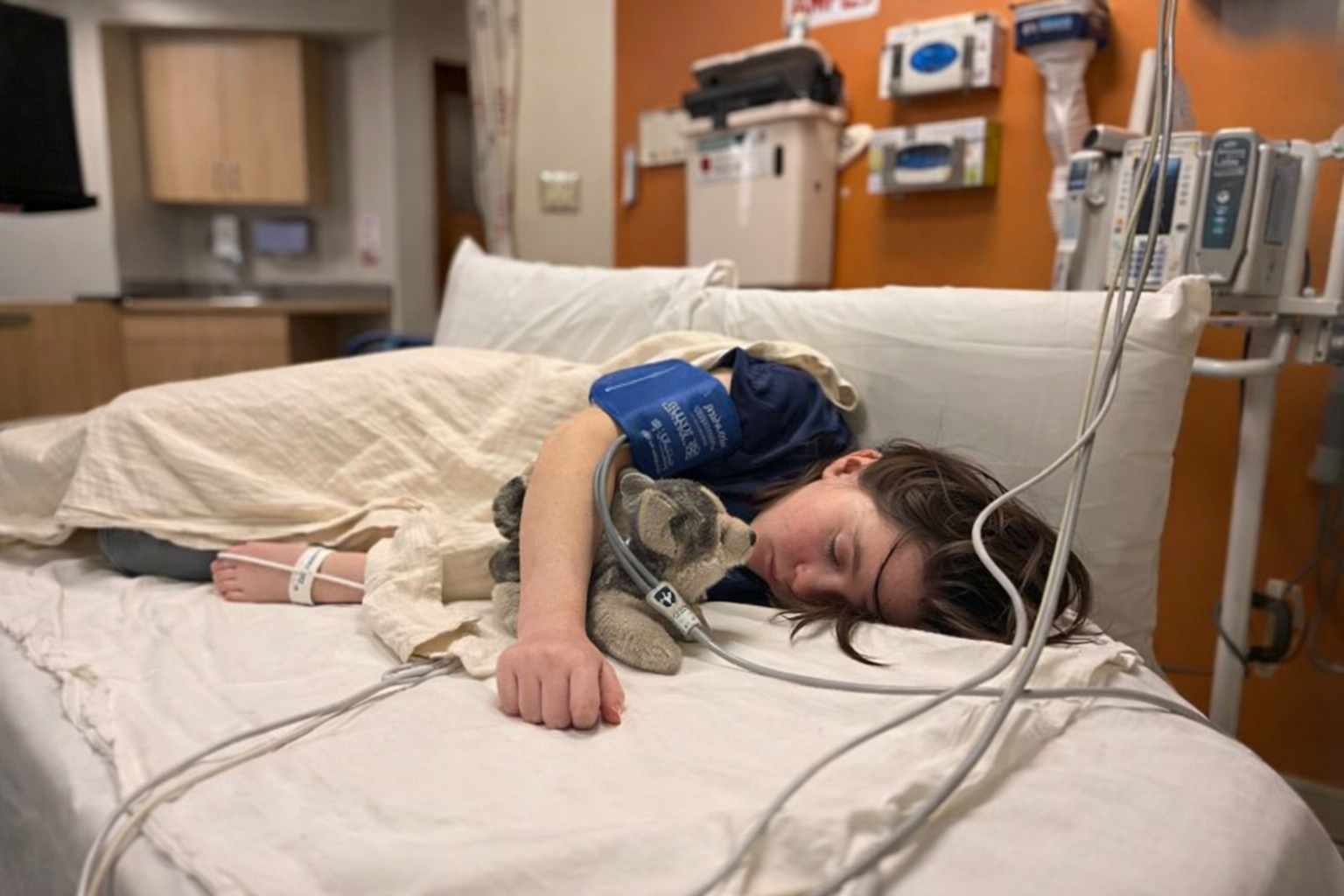
Within days she had surgery to place a chemotherapy port in her chest, and intense treatment began immediately. Her family quickly became familiar with the pediatric oncology floor, the doctors, nurses, therapy dogs, and child-life specialists who help children cope with treatment.
Brynn lost her hair. Steroids caused dramatic swelling and changes to her body. Some medications left her unable to walk for weeks. There were blood transfusions, spinal taps, bone marrow tests, and countless hours connected to IV lines.
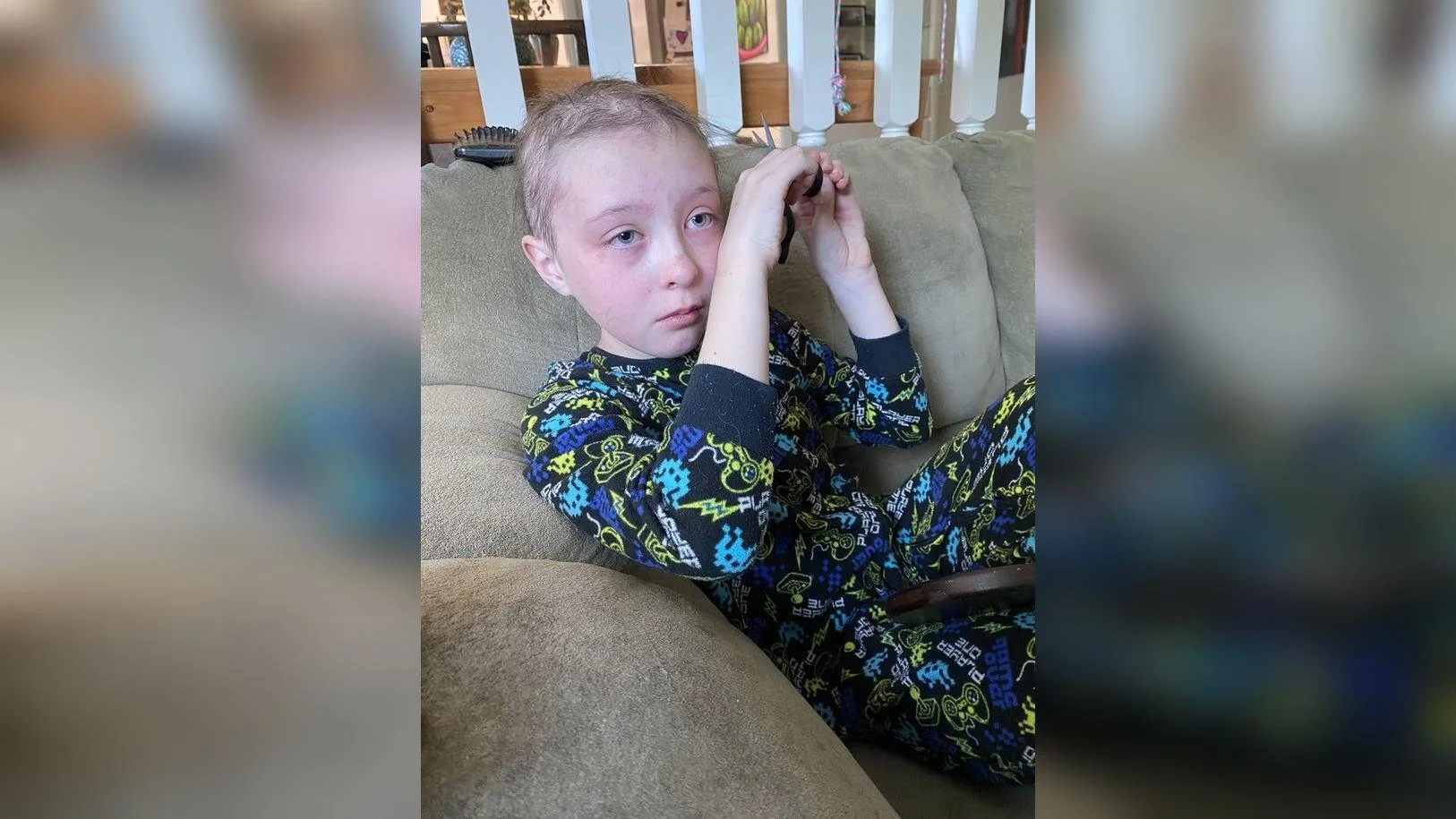
At one point infections led to sepsis, a life-threatening complication. Her parents had to learn how to administer IV antibiotics themselves through her port in the middle of the night.
They weren’t just parents anymore.
They were part of the team fighting to keep their daughter alive.
Cancer changed everyday life in ways few people see. Because chemotherapy weakens the immune system, a long list of normal childhood activities suddenly became dangerous. No swimming in lakes or public pools. No digging in dirt or playing in sandboxes. No crowded places like trampoline parks. Even certain foods became unsafe.
Summer arrived, but their camper sat unused.
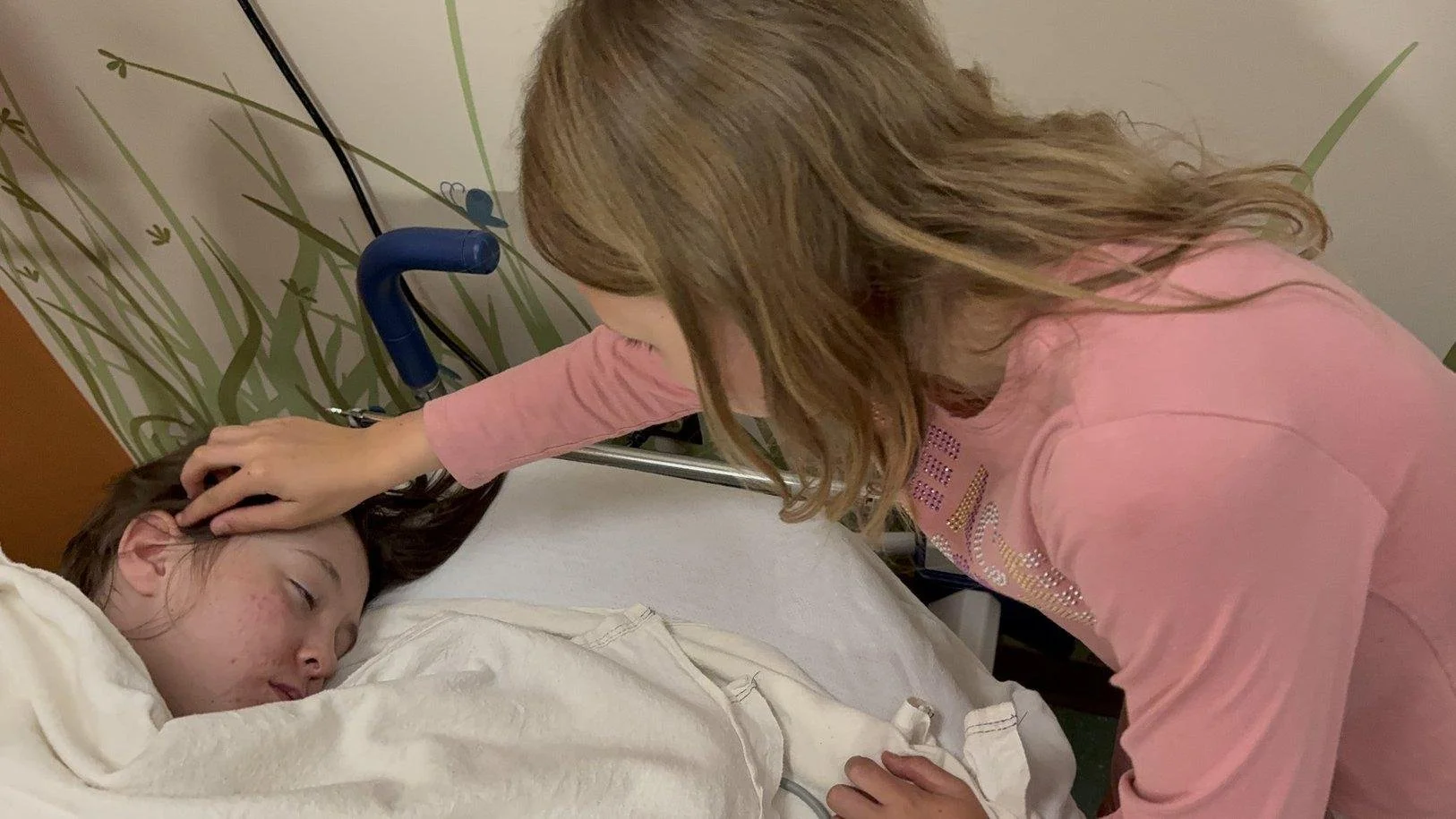
Childhood cancer also affects the entire family, especially siblings. While Brynn spent weeks in the hospital, her younger sister Cailyn often stayed with grandparents or friends. She would FaceTime her parents from home, crying because she missed them.
And while Brynn received gifts and attention from the community, Cailyn sometimes felt invisible.
At one point she told her parents something heartbreaking: she wished she had cancer too.
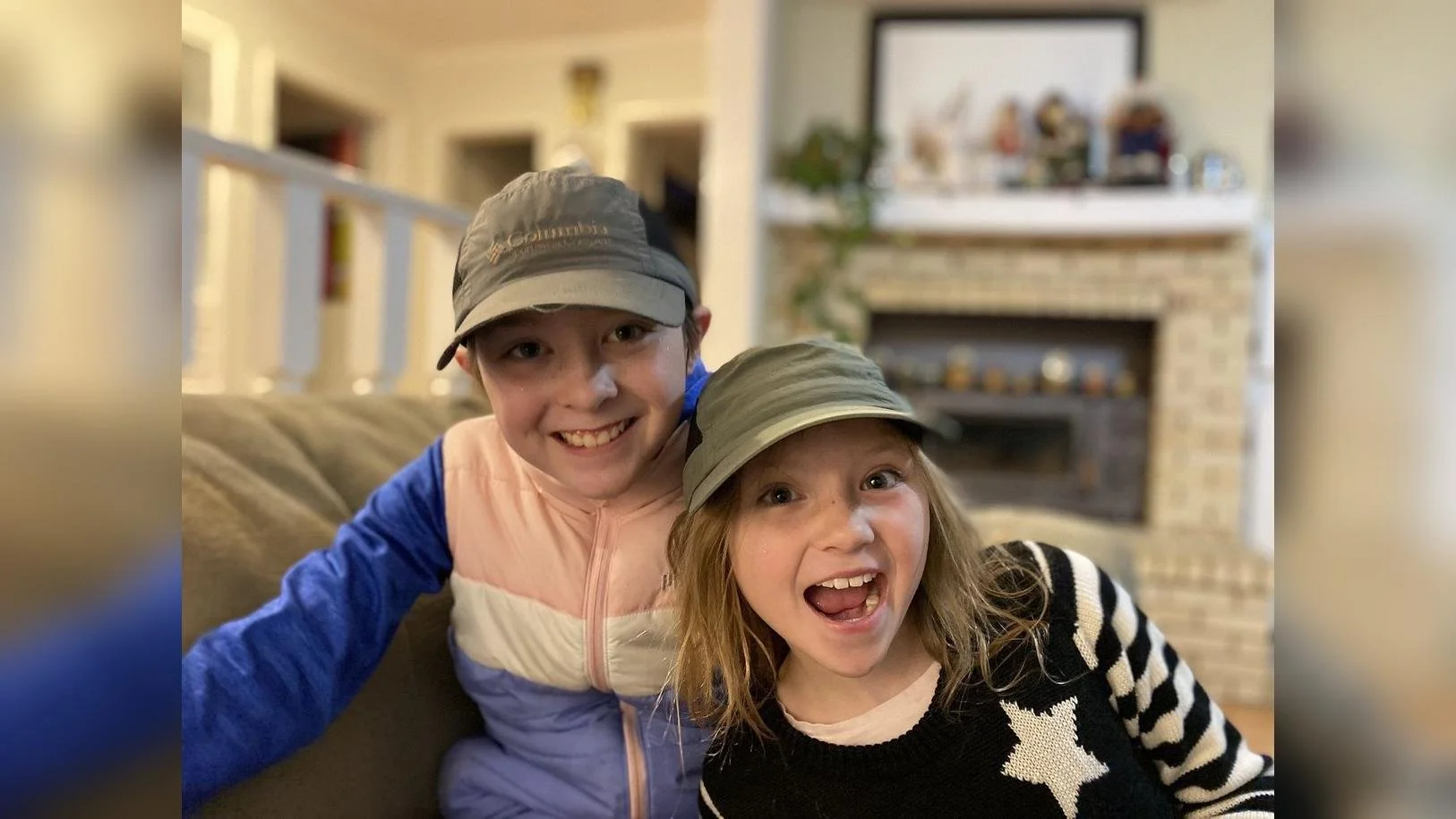
Brynn’s journey included far more than chemotherapy. At one point her immune system dropped to zero, leaving her body unable to fight infection. Later doctors discovered her kidneys were functioning at less than five percent due to acute kidney failure. Thankfully, with care from the hospital’s nephrology team, they recovered.
She also developed steroid-induced diabetes and heart complications that required additional monitoring. By that point, her family had become familiar with multiple hospital departments, a club no one ever wants to join.
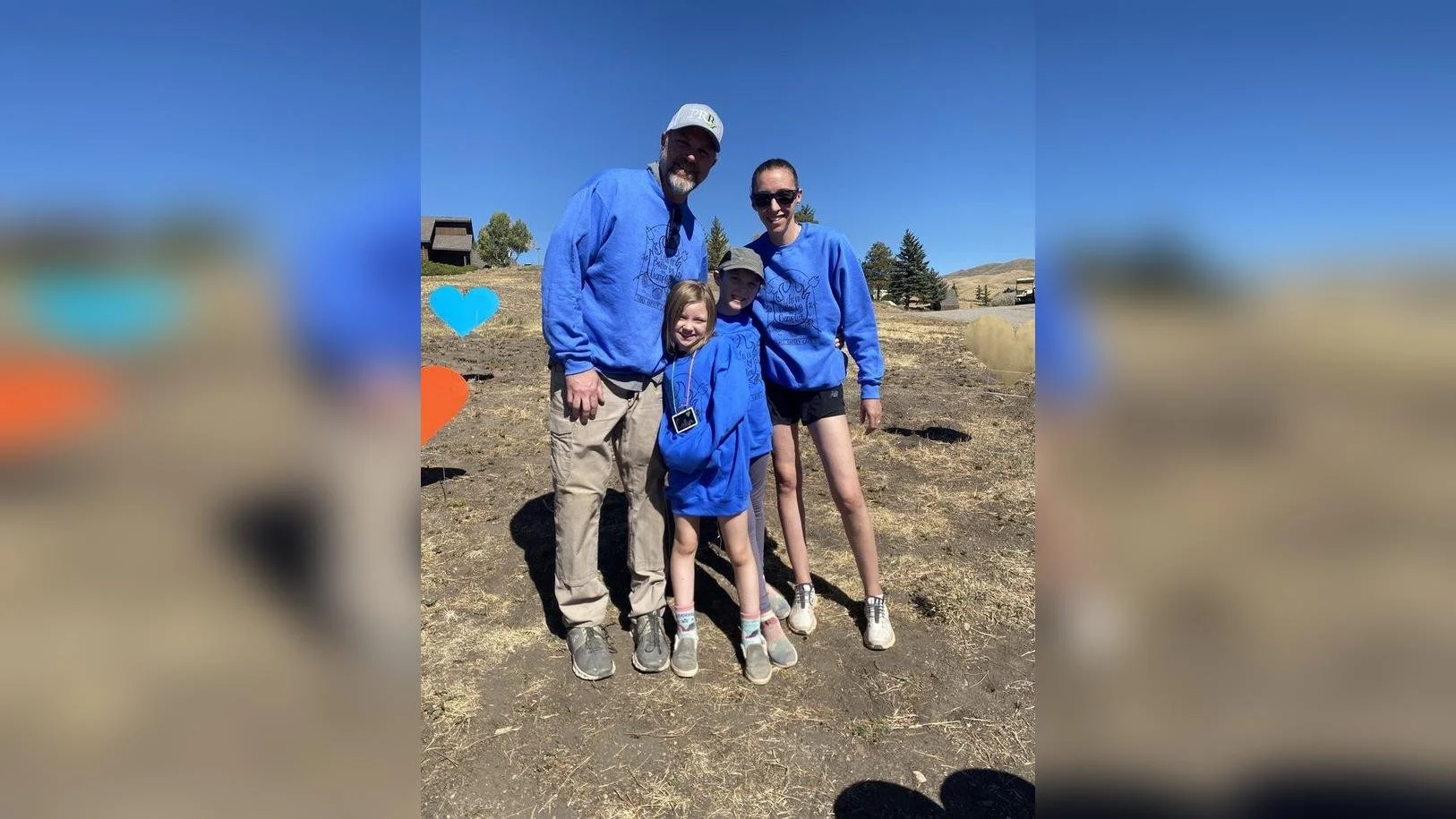
In the middle of treatment, Brynn was able to attend Camp Rainbow Gold, Idaho’s camp for children battling cancer. For one weekend the family stepped outside the hospital world. There were campfires, laughter, and time spent with families who understood exactly what they were going through.
Moments like that became lifelines.
Leukemia treatment happens in stages. Brynn’s early months included several intense phases of chemotherapy before eventually transitioning into long-term maintenance therapy designed to keep the cancer from returning.
Even during maintenance, treatment remained constant. Some days meant taking nearly twenty chemotherapy pills along with steroids and anti-nausea medications. Cancer treatment had become part of daily life.
As the physical treatments stabilized, another challenge emerged: the emotional toll.
Parents of childhood cancer patients often live with constant fear of relapse. While survival rates are high, relapse remains a real risk, and many families personally know children who have faced it.
That fear never fully disappears.
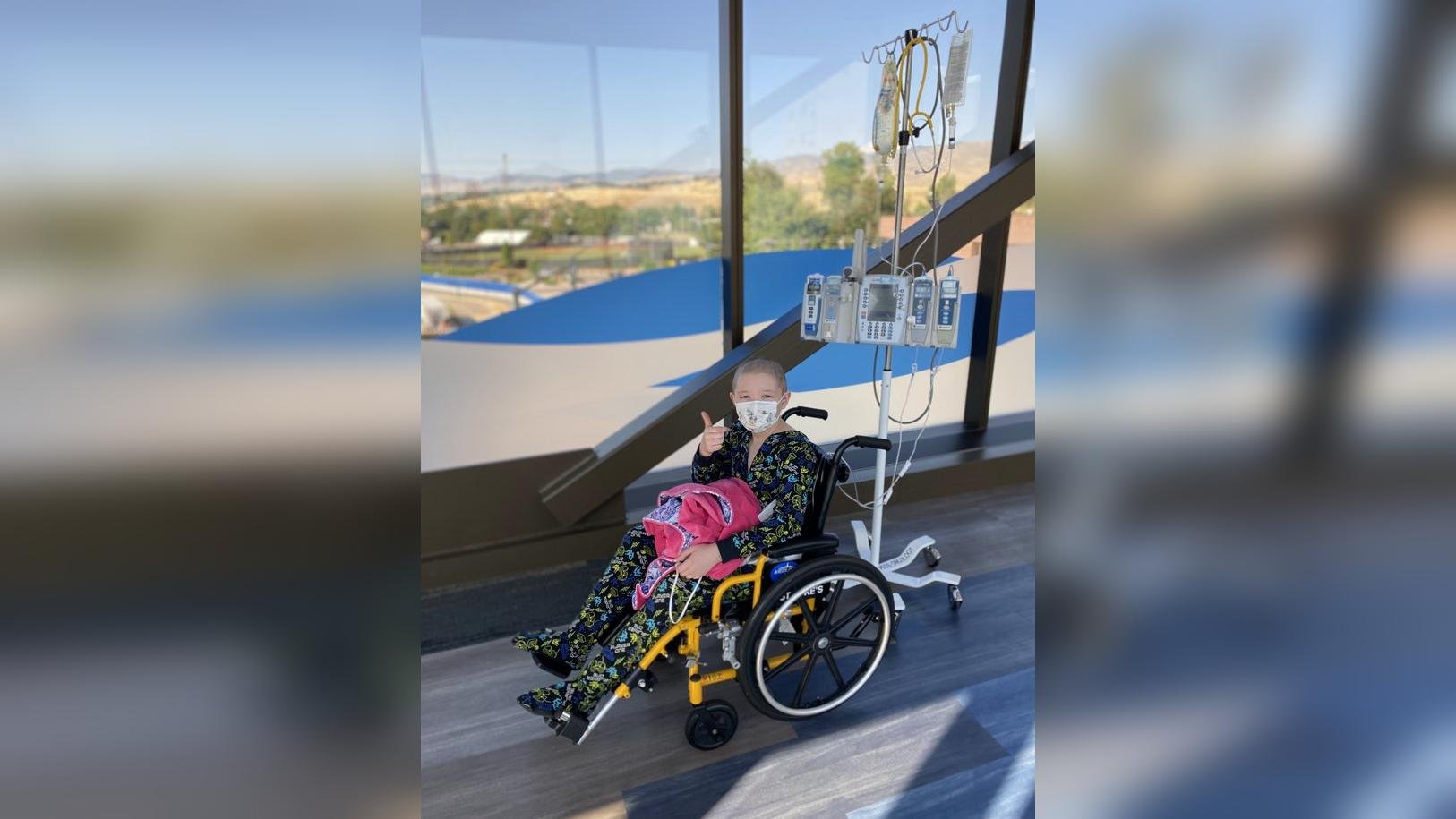
Now, after more than two years of treatment, Brynn’s family is approaching a milestone they’ve dreamed about since the day of her diagnosis.
On March 11, 2026, Brynn is expected to ring the bell marking the end of chemotherapy.
It will be a day filled with celebration, but also complicated emotions. Because while treatment ends, the journey doesn’t. Families often continue to process the trauma, financial strain, and lingering fears that come with a childhood cancer diagnosis.
When a child is diagnosed with cancer, communities often rally immediately with support. But the reality is that the needs don’t disappear after the first few months. Many families continue to face medical bills, insurance deductibles, lost work income, and other hidden costs for years.
Just as important is emotional support. Checking in on parents. Supporting siblings. Offering families moments of normal life again.
Sometimes the most meaningful thing someone can do is simply show up.
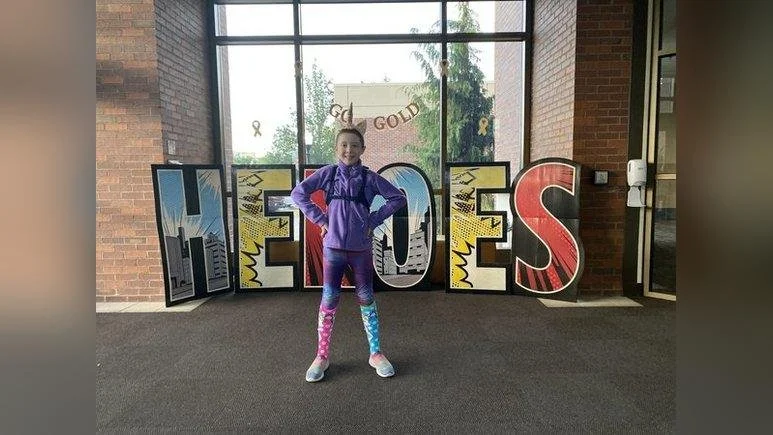
Later this month Brynn’s family will gather friends and community members to celebrate the end of treatment. It isn’t just a party.
It’s a celebration of survival. A celebration of the doctors and nurses who helped carry them through the hardest moments. A celebration of a community that showed up when it mattered most.
And most importantly, it’s a celebration of a little girl who fought harder than any child ever should have to.
Brynn’s story leaves behind a simple reminder: check in on your people. Hug your kids a little longer. Reach out to friends and family who may be quietly navigating the hardest moments of their lives.
Because cancer doesn’t just change one life.
It changes an entire family.
