
A Treasure Valley Mom Searching for a Kidney So She Can Be Here for Her Daughter

Our sit-down interview with Kacey edited for time.
Kacey is a local Treasure Valley mother. She’s a daughter, a fiancée, and a mom to a little girl who needs her. Right now, Kaycee is on dialysis and searching for a kidney donor — because a transplant isn’t just about extending her life. It’s about giving her the chance to live it fully.
This is Kacey’s story, shared in her voice.

I was diagnosed with Type 1 diabetes when I was nine years old. I had just turned nine in 2008. At that age, you don’t really understand what a diagnosis like that means long-term. I didn’t take very good care of myself, but I also didn’t feel sick. My A1C was always high, but I was young, and you don’t see the damage happening inside your body when you’re a kid.
For years, I dealt with edema, swelling in my legs and feet. Edema can be a symptom of kidney failure, but every time my labs were checked, they came back “really good.” I was put on a water pill — something to help me get rid of the fluid — and sent on my way. It helped me pee, but no one seemed concerned about why the swelling kept happening.
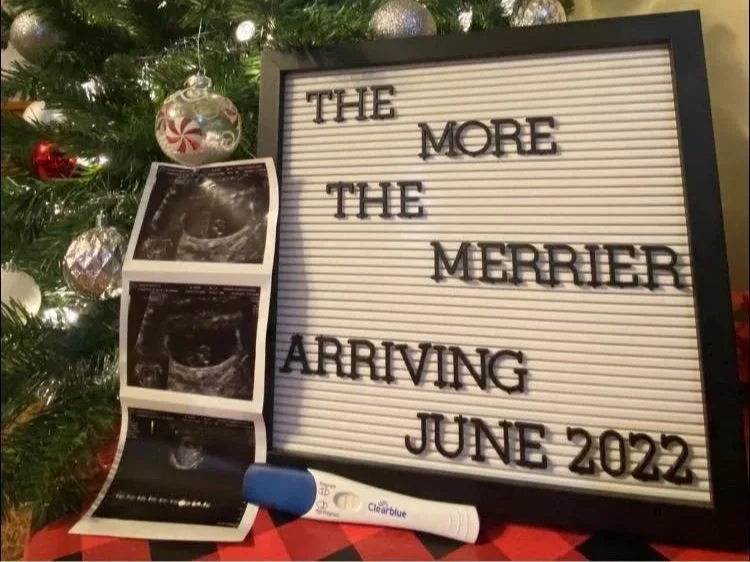
In October of 2021, I found out I was pregnant with my daughter. That moment changed everything. My maternal instincts kicked in immediately. I knew I had to get my life on track — for me, but more importantly, for her. I started taking care of myself, managing my diabetes seriously for the first time.
Around that same time, I began having eye issues. I was diagnosed with diabetic retinopathy, which happens when high blood sugar and blood pressure damage the tiny blood vessels in your eyes. I needed laser treatments to stop the bleeding and protect my vision. What was confusing — and scary — was that once I started taking better care of my diabetes, my eye disease actually got worse. But I stayed on top of treatments and maintenance, because I needed to be able to see my baby.
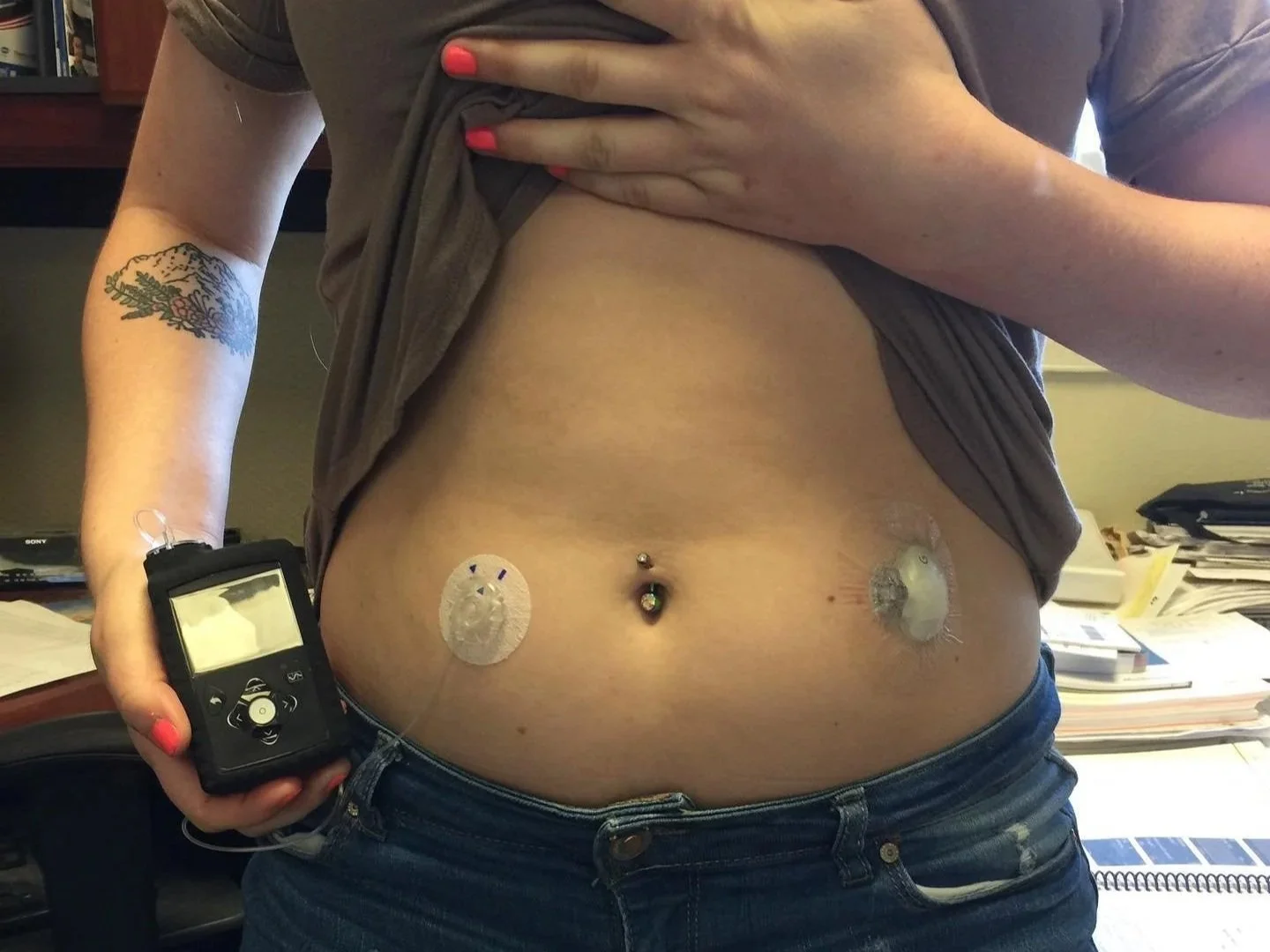
Late in my pregnancy, at 34 weeks and five days, my fiancé found me unresponsive due to extremely low blood sugar. I was taken to the hospital and monitored for 24 hours. During that stay, doctors tested me for preeclampsia, and I did, in fact, have it. They decided it was safest to deliver my daughter early, at 35 weeks.
She was premature, but she was okay.
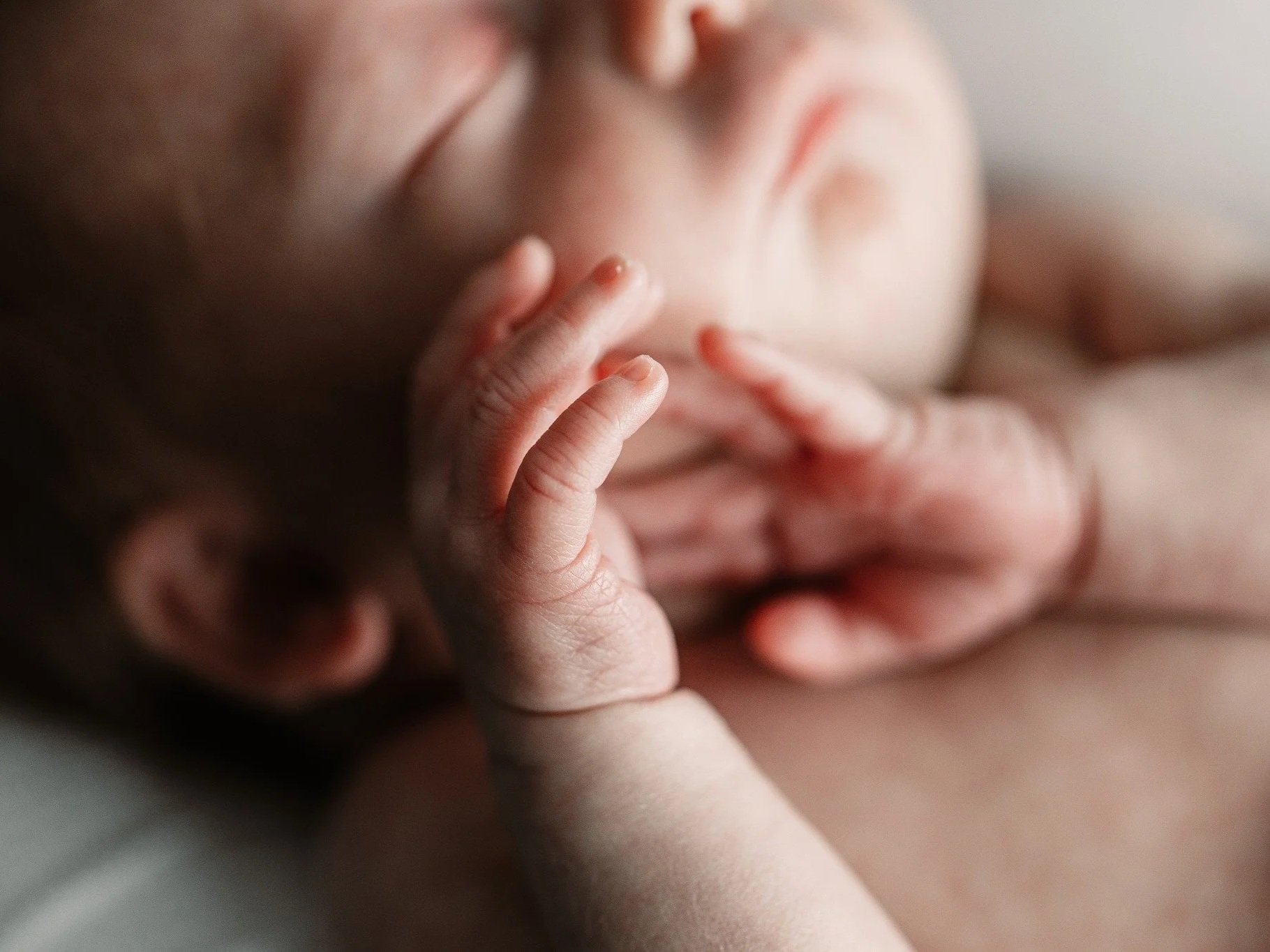
After I delivered her, things seemed stable for a while. I focused on being a new mom and thought maybe we had gotten through the hardest part.
Then, in October of 2023, everything changed.
I went to the hospital for extreme swelling. I wasn’t just swollen — my legs and feet were so full of fluid that my skin started tearing and leaking clear fluid. If you pushed on my skin, it would leave deep indentations — pitting — all the way up into my butt and into my back. I had fluid everywhere.
That’s when doctors finally ran labs and told me my kidney function was at 22%.
Within months, it dropped rapidly.
In December, it was 16%.
In February, 14%.
By March, just 8%.
Most people start being evaluated for transplants when kidney function drops below 20%. Dialysis is usually required at 15% or lower. I was already well past that point.
On March 8, 2024, I had a central line placed, and on March 11, I had my first emergency dialysis treatment.
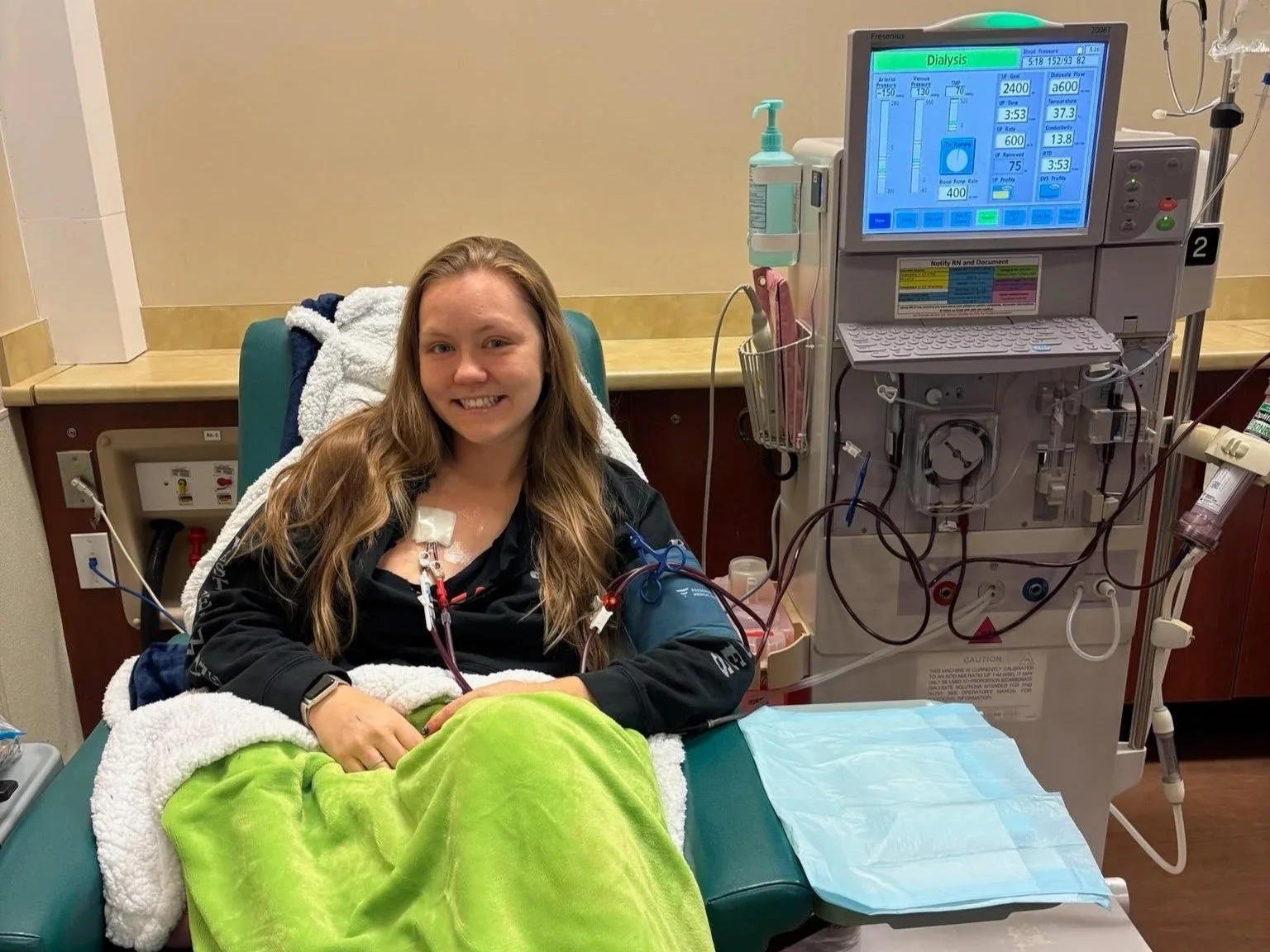
Dialysis is the process of removing excess fluid, toxins, and waste from your blood when your kidneys can no longer do it themselves. It keeps you alive — but it takes over your life. Hours at a time, multiple days a week, managing exhaustion, fluid limits, and constant medical appointments.
Because my kidney failure was caused by Type 1 diabetes, I was initially listed for a kidney-pancreas transplant. The idea was that the kidney transplant would replace my failed kidneys, and the pancreas transplant would eliminate my diabetes — the root cause of what destroyed them in the first place.
Boise doesn’t have its own transplant center, so I had to choose where to go. Seattle, Portland, or Salt Lake City. I chose Salt Lake City because it’s about a five-hour drive and felt like the best option to keep my family intact.
While waiting, my eye disease worsened again. I now receive injections directly into my eyes every four weeks to slow the progression of diabetic retinopathy. The shots sound terrifying — and they are — but I do them because I want to see my daughter grow up. I want to see the little things as she gets older.
After a year and a half on the transplant list, I was told the program wasn’t seeing many kidney-pancreas transplants anymore and that I should consider switching to kidney-only. I was devastated.
I decided to open up more possibilities and went through additional evaluations — one in Seattle and another in Salt Lake City at a different hospital. During those evaluations, surgeons explained how complicated and dangerous kidney-pancreas transplants can be.
At one point, I made the comment, “Worst case, the transplant doesn’t work and I’m still diabetic, right?”
The surgeon looked at me and very professionally said, “No. Worst case scenario, you die.”
That changed everything.
I don’t have room for that worst-case scenario. I have a beautiful daughter who needs me here. I need to watch her graduate, go to college, get married — all of it. I can’t gamble my life anymore.
I came home with a lot to process. My mom gently reminded me that I didn’t really have another option — I have to be here for my child.
So now, my focus is clear.

I am searching for a kidney donor.
A kidney transplant would mean freedom from dialysis. It would mean energy again. It would mean more time — real time — with my daughter. This isn’t about perfection. It’s about being here.
Why Finding a Kidney Matters — Here at Home
Kacey’s story is personal, but it’s not isolated. In Idaho, thousands of people are living with kidney failure, and many are waiting for a transplant. Diabetes remains the leading cause of kidney failure, and Idaho does not have its own transplant center — meaning families must travel out of state for surgery, adding stress and cost to an already overwhelming situation.
For many patients, a living kidney donor is the fastest and most successful path to transplant. One person can change an entire family’s future.
How You Can Help Kacey
If you are healthy and willing to learn more, you could be the person Kacey is waiting for. Even starting the screening process doesn’t commit you to donating — it simply opens the door.
If you’re not in a position to donate, sharing her story or donating helps cover medical, travel, and daily living expenses while she waits.
👉 Learn more, donate, or help spread the word:
This is what community looks like.
One story. One kidney. One life — right here in the Treasure Valley.
