
Adnana’s Fight: When Breast Cancer Becomes a Community Story
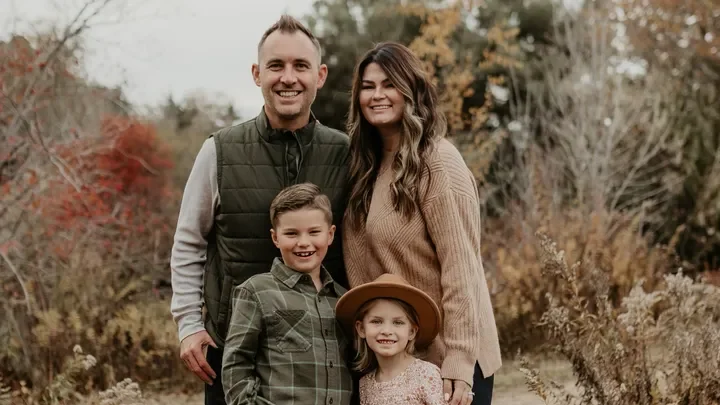
Some people become pillars of a community not because they seek attention, but because they consistently show up. Adnana is one of those people.
Known for her warmth, her advocacy, and her deep connection to the Bosnian community, Adnana has spent years bringing people together—through culture, service, and a belief that no one should feel invisible or alone. She is a mother, a partner, a public servant, and a steady presence in the lives of many around her.
Now, she is facing something no one is ever prepared for.
Adnana has been diagnosed with Stage III Invasive Ductal Carcinoma, an aggressive form of breast cancer that has spread to her lymph nodes. While the diagnosis is devastating, it is also one that comes with a long, clearly defined medical road—one that requires time, strength, and significant support.
Understanding Adnana’s Diagnosis
Invasive Ductal Carcinoma is the most common type of breast cancer, beginning in the milk ducts and spreading into surrounding breast tissue. A Stage III diagnosis means the cancer is considered locally advanced. It has not spread to distant organs, but it has moved beyond the breast itself and requires immediate, intensive treatment.
This stage of cancer is survivable, but it is not simple. Treatment is physically demanding and emotionally exhausting, often unfolding over many months and followed by years of ongoing care.
What Her Treatment Journey Looks Like
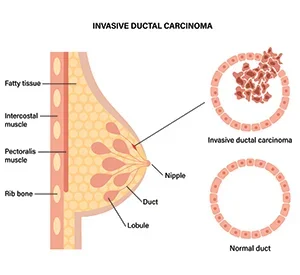
Understanding Stage III Breast Cancer
Adnana’s care plan reflects what many Stage III patients experience. It begins with extensive testing—labs, genetic screening, and advanced imaging—to understand the full scope of the disease. A chemotherapy port is surgically placed to allow repeated treatments to be administered safely.
From there, she will undergo several months of chemotherapy, including medications known to be particularly aggressive against cancer cells. Some of these treatments are cardio-toxic, meaning they require close heart monitoring because of their impact on cardiac function.
Following chemotherapy, Adnana will face major surgery to remove the cancer, followed by radiation therapy to reduce the risk of recurrence. Even after these phases are complete, long-term hormone therapy—often lasting five to ten years—is a common and necessary part of recovery.
This is not a pause in life. It is a full interruption.
The Reality Beyond the Hospital
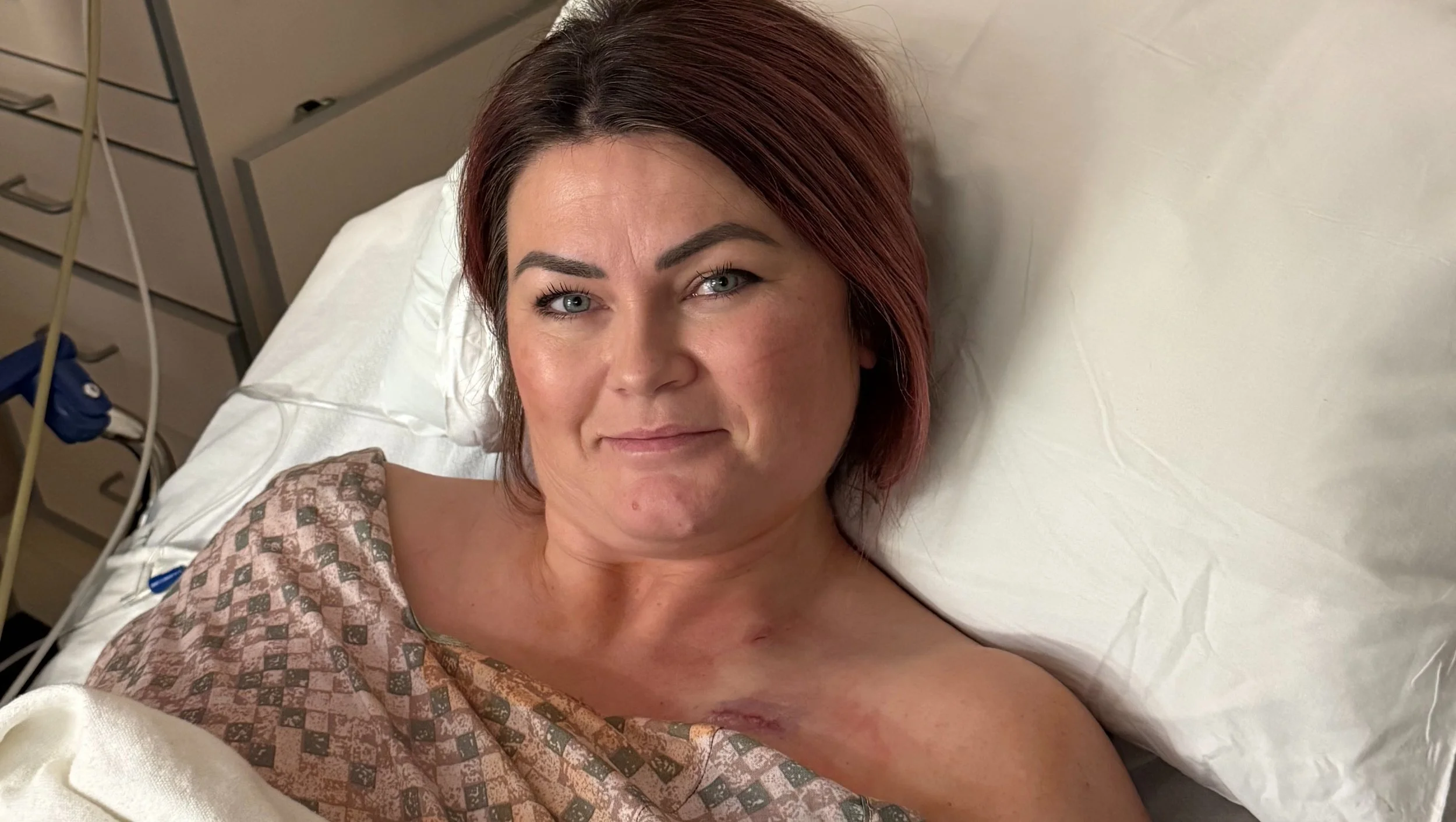
Adnana has been placed on medical leave from her public-sector role, where she serves the community with purpose and pride. While her position is protected, much of this time away from work is unpaid. Like many families facing cancer, the diagnosis brings not only fear and uncertainty, but immediate financial strain.
Medical bills, insurance deductibles, travel to appointments, childcare, and basic household expenses don’t stop when treatment begins. For families with young children, the need for stability becomes even more urgent.
This is where community becomes essential.
Why Her Story Matters Here
Breast cancer affects hundreds of families across Idaho every year. Many of those diagnoses happen to women who are actively working, raising children, and contributing deeply to their communities—just like Adnana.
When someone like her is diagnosed, it’s not just a personal battle. It’s a reminder that illness can touch anyone, and that outcomes are shaped not only by medicine, but by support systems.
The GoFundMe created for Adnana exists to help carry the weight of this moment—to give her the ability to focus on healing, to protect her children’s sense of normalcy, and to reduce the stress that so often compounds serious illness.
A Community Response
Adnana has spent years showing up for others—sharing resources, advocating for justice, and stepping in when someone needed help. Her story now calls for that same care to be returned.
At The Good Network, we believe community stories matter because they remind us of our shared responsibility to one another. Adnana’s fight is deeply personal, but it is also a reflection of how we respond when one of our own needs support.
This is not just about cancer.
It’s about compassion, dignity, and what it looks like to stand together when it matters most.
