
The $15,000 Wheelchair vs. The $250 Solution: How A Local Couple is Changing Lives
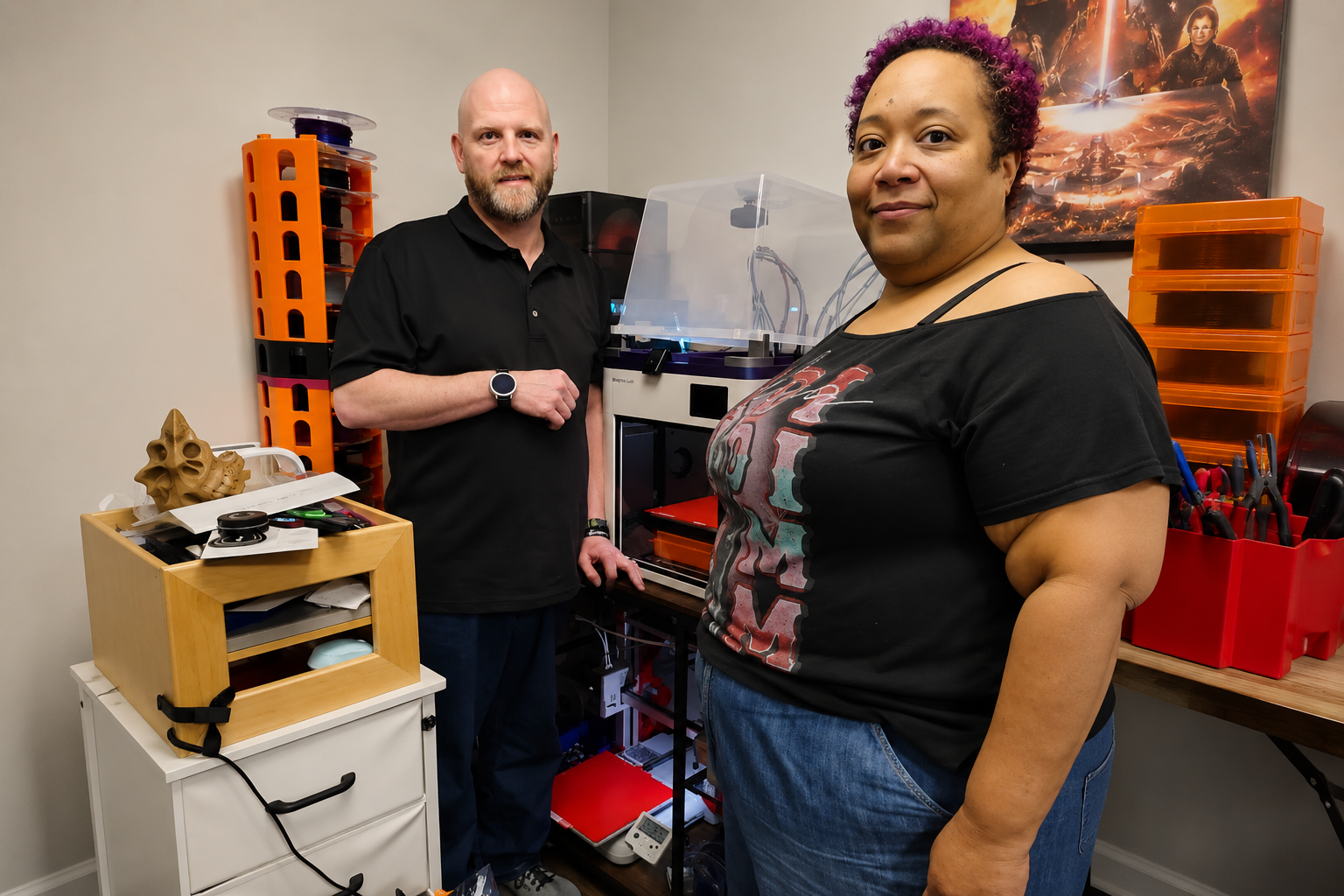
They run a small jewelry business. They print 3D goods. And right now, they are trying to build custom wheelchairs for two little girls in the Treasure Valley—if the community can help them buy the plastic.
At The Good Network, we focus on people in our community doing good things, and when local needs arise, we make sure they are amplified.
For most parents, watching their toddler take their first steps is a milestone captured on video and celebrated with cheers. But for families of children with cerebral palsy, spina bifida, or other mobility challenges, that milestone is often replaced by a frustrating battle with insurance companies.
Traditional pediatric mobility devices can cost anywhere from $3,000 to $15,000. Worse, many insurance plans refuse to cover them for children under the age of five, arguing that toddlers will simply outgrow the expensive equipment too quickly. The result is a devastating gap in care during the most critical developmental years of a child's life.
Jake and Crystal Pillen, a couple from Meridian, decided that wasn't acceptable.
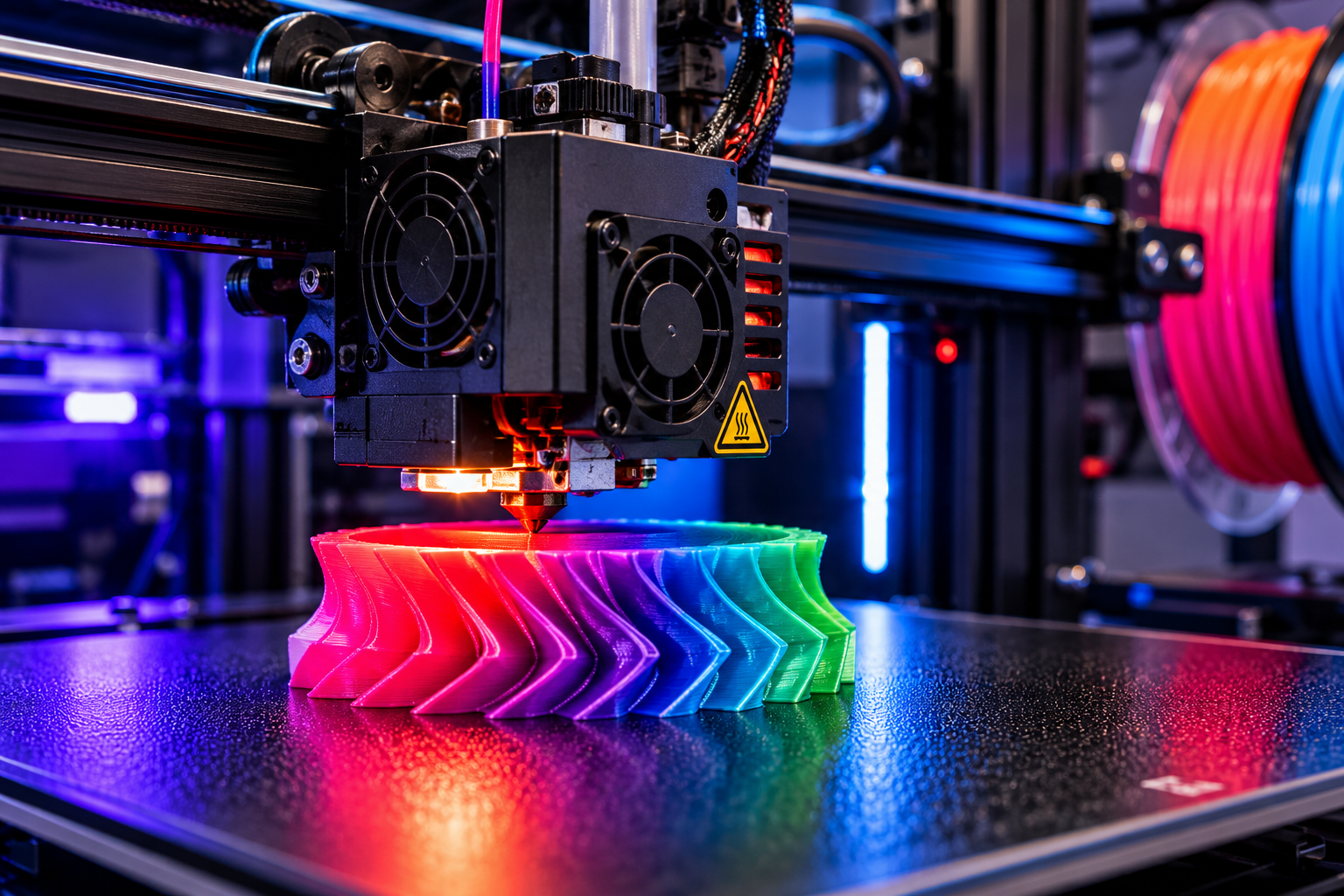
The Pillens run a small local business making jewelry and 3D-printed goods. But recently, they turned their hobby toward a much larger purpose. They became volunteer makers for 3D-Mobility.org, a global network created by the nonprofit MakeGood, which connects families in need with people who have the technology to help.
The mission is simple but revolutionary: use 3D printers to build custom Toddler Mobility Trainers (TMTs) and give them to families completely free of charge.
"We are not trying to make money," Jake shared in a message to The Good Network. "We are working toward a good cause. We have the printers, time, and motivation."
Right now, there are two little girls in the Treasure Valley waiting for their mobility trainers. Jake and Crystal are ready to start printing. The only thing standing in their way is the cost of materials.
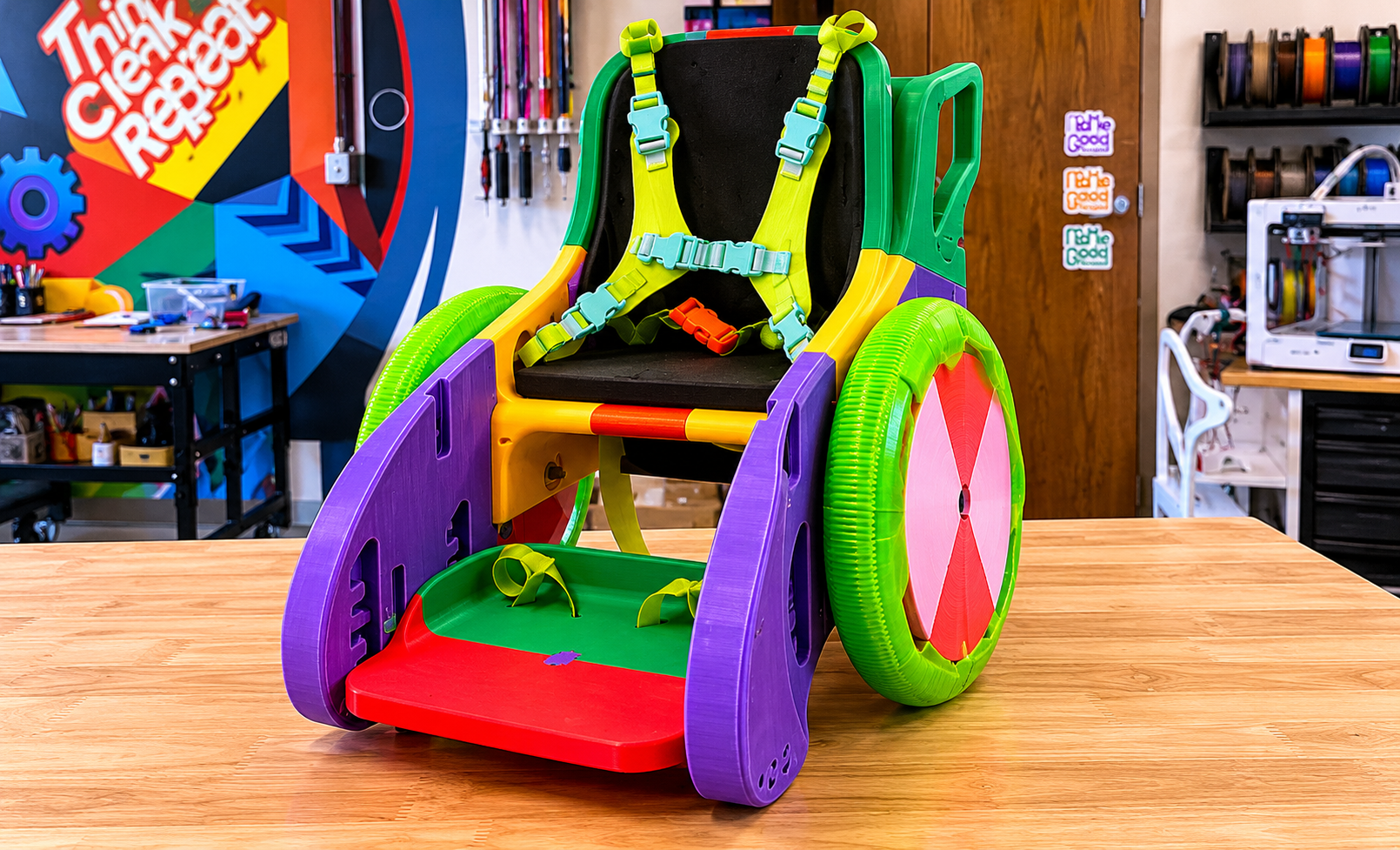
A 3D-printed mobility device is a fraction of the cost of a traditional wheelchair. While a medical-grade chair might cost $10,000, a TMT can be printed and assembled for about $200 to $250 in raw materials.
Each device requires approximately nine kilograms of PETG filament—a tough, heat-resistant plastic—and two kilograms of flexible TPU filament for the straps and comfort features, plus a basic hardware kit of bolts and casters. It takes over 300 hours of continuous printing to create the parts for just one chair.
Normally, volunteer makers can purchase discounted kits through the MakeGood organization. But right now, those kits are completely sold out globally. To get these two local girls moving, the Rosens have to purchase the filament at retail prices.
They have launched a GoFundMe with a modest goal of $500. That amount will cover the exact cost of the plastic and hardware needed to build both chairs. Any additional funds raised will be donated directly to 3D-Mobility.org to fund more trainers for other children.
This is what community looks like. It is not just waiting for massive systemic change—it is firing up a printer in your living room because your neighbors need help today.
Why Early Mobility Matters
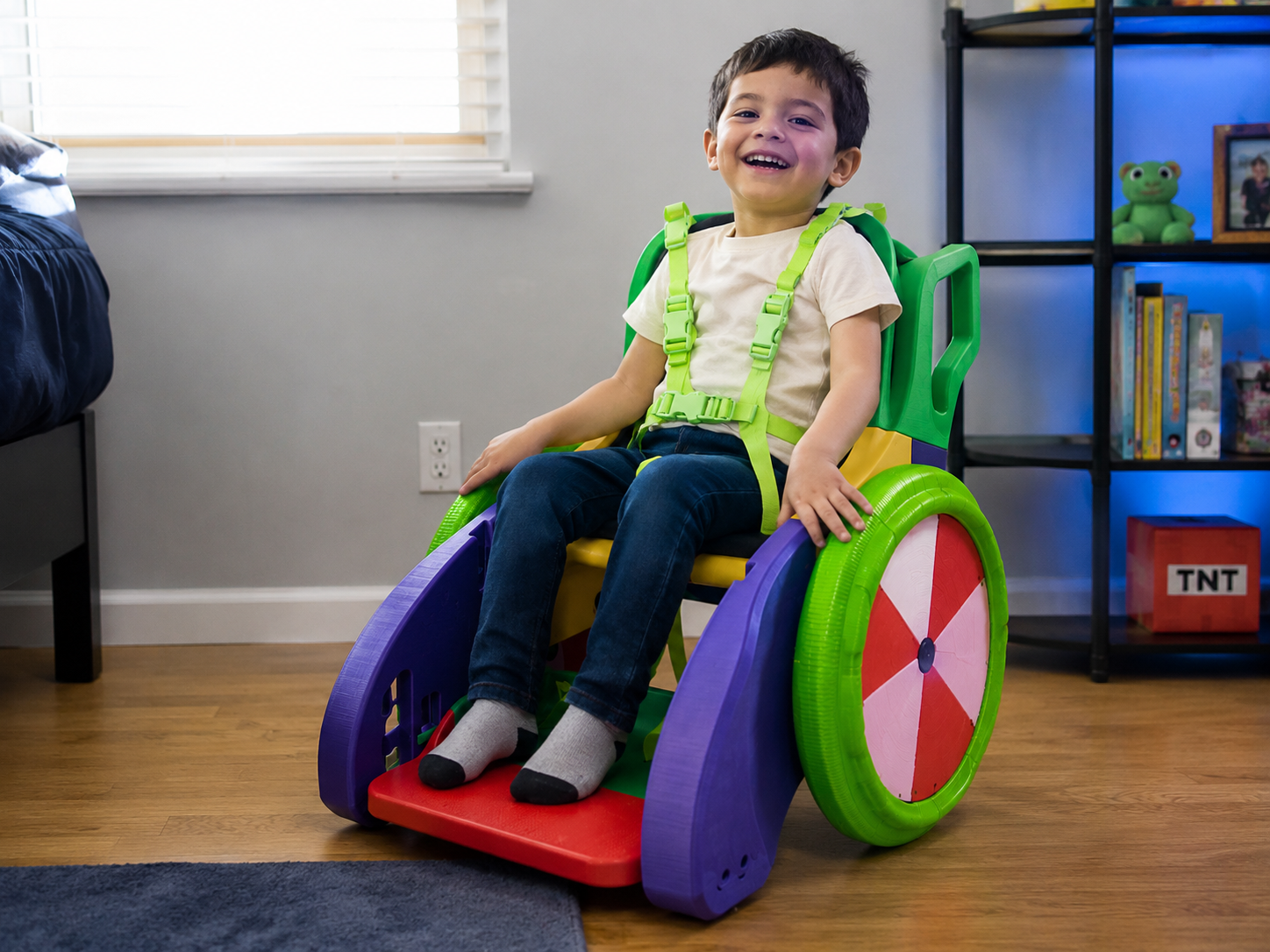
The Toddler Mobility Trainer isn't just a piece of plastic; it is a developmental lifeline.
Designed by healthcare architects and pediatric therapists, the TMT is built low to the ground, allowing children ages one to eight to maintain eye contact with their peers. It is fully modular, meaning it can be adjusted as the child grows without needing tools or glue. If a piece breaks, a volunteer can simply print a replacement part for a few dollars.
"The one thing I can guarantee is that we will all be disabled," says Noam Platt, the healthcare architect who founded MakeGood. "There is no distinction, in my mind, between the disabled and non-disabled community. We are one people, simply on different timelines of needing assistive technology. The commercial market is simply not going to fill these needs."
For the children receiving these chairs, the impact is immediate. They can explore their environment, build strength, and interact with their siblings in ways that were previously impossible.
As one wheelchair user shared after seeing the project, "Mine costs more than my car. I can't imagine having to buy a new one every year or two as they outgrow it. You're going to change the world."
How You Can Help
The Pillens have the skills, the equipment, and the dedication. They just need the community to help cover the cost of the plastic.
If you can donate, share their story, or send encouragement, it will directly result in two local toddlers gaining the independence they deserve.
At The Good Network, we believe in amplifying real needs—especially for people who are using their own time and resources to lift up others.
If you feel led to support Jake and Crystal’s mission, now is the time. Because true mobility isn't just about wheels; it is about a community pushing you forward.
HOW TO HELP — Full Resource Section
ResourceDetailsGoFundMe3D Printing Hope for Treasure Valley ChildrenGoal$500 (covers materials for TWO mobility trainers), Meridian, IDMakeGood
(Nonprofit)makegood.design3D-Mobility (Maker Network)3d-mobility.org
Instagram@pyratejaide
Threads@dragon_8_bit
Facebook PostView Post
Become a MakerSign up at 3d-mobility.orgDonate to MakeGoodgivebutter.com/makegood
Ways to Support:
1.Donate directly to the GoFundMe — even $10 helps buy filament.
2.Share the GoFundMe link on your social media pages.
3.Share this article to help amplify their story.
4.Become a volunteer maker if you own a 3D printer.
5.Spread the word about 3D-Mobility.org to families who may need a device.
